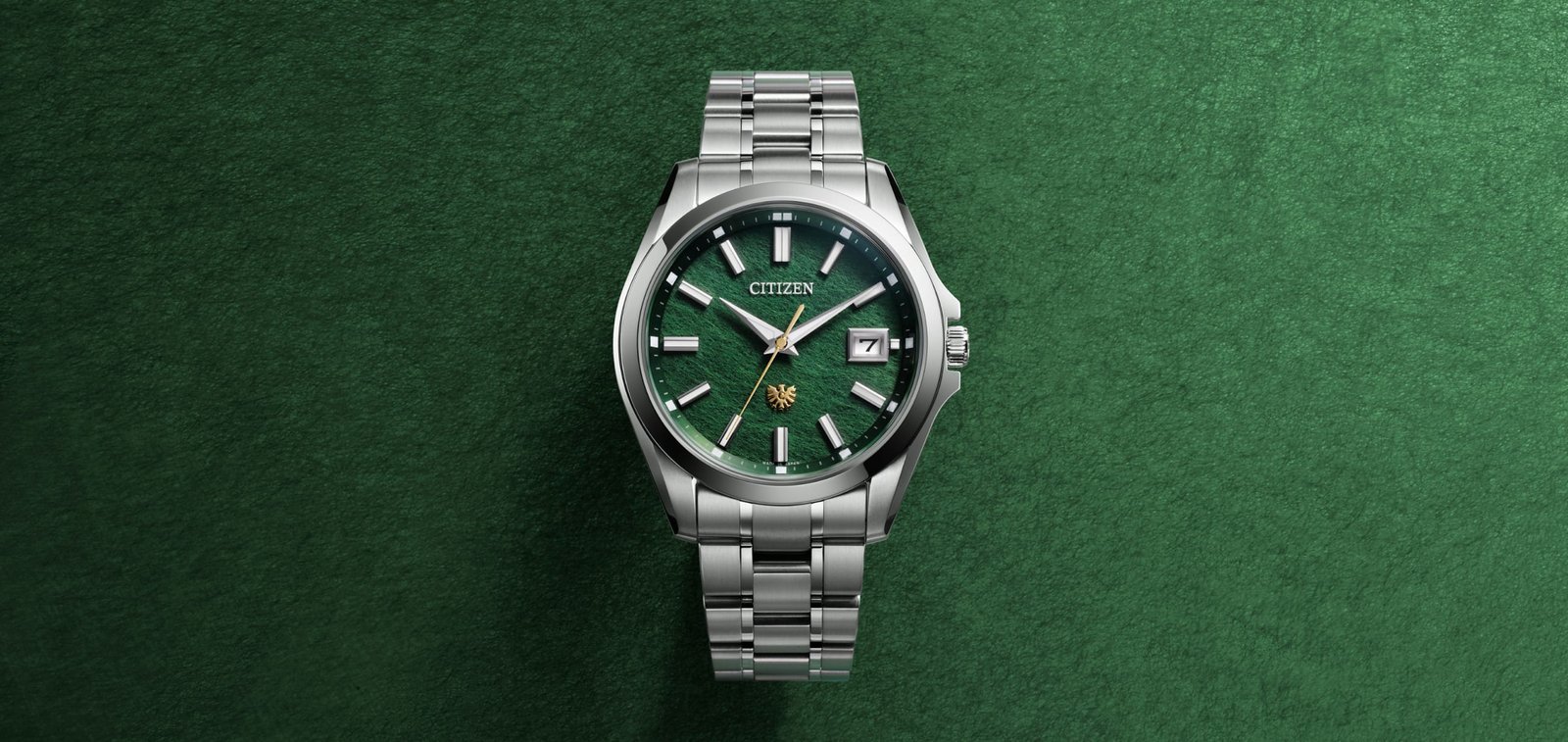
A citizen eco drive is a light-powered watch that uses a solar cell hidden under the dial to convert both natural and artificial light into electricity. It stores this energy in a rechargeable cell, meaning you won’t have to replace a battery like you would with a traditional quartz timepiece.
How the Citizen Eco Drive watch charges

The core of the technology relies on a thin, light-sensitive panel that sits beneath the watch face. Because this panel is translucent, it captures light rays that pass through the crystal and dial, turning them into a steady stream of power. You don’t need to be in direct sunlight for this to happen, as even dim indoor lighting provides enough energy to keep the gears moving.
When the watch is fully charged, it can usually run for months in total darkness before it stops ticking. Most models signal low power by jumping the second hand in two-second intervals.
Tip: If your watch stops because it’s been in a dark drawer for too long, place it under a bright lamp or near a window for several hours to jump-start the charging process.
Key differences between watch power types
Comparing these watches to other common power sources helps you decide if they’re the right choice for your needs. The following table breaks down the main differences you’ll notice in daily use.
| Feature | Eco Drive | Standard Quartz | Mechanical |
|---|---|---|---|
| Battery change | Never | Every 2–3 years | None |
| Power source | Light | Disposable battery | Mainspring |
| Accuracy | High | High | Moderate |
| Maintenance | Minimal | Low | Periodic service |
Things that impact your watch performance
A few factors determine long-term performance. The official Citizen website provides specific guidance on how to maintain the power cell’s health by ensuring the watch receives regular exposure to light.
Avoid leaving the watch in completely dark places for years at a time, as this can eventually exhaust the rechargeable cell. Avoid extreme heat, such as leaving it on a car dashboard, to prevent damage to internal components or the dial.
Can I replace the battery myself?
You can’t replace the battery yourself because it’s a specialized rechargeable capacitor, not a standard button cell. Opening the case back without the proper tools and a clean environment can let in dust or moisture, which ruins the movement. If the watch stops holding a charge, take it to a qualified service center.
Is it safe to leave in direct sunlight?
It’s safe to leave it in sunlight for short periods to charge, but you should avoid extreme heat.
How do I know if it’s charging?
You don’t need a special indicator, but the watch will continue to tick normally as long as it has power.
Check your manual for specific charging times, as different models use energy at varying rates.
What if the watch stops even after sitting in the light?
First, verify that the crown is pushed in if the watch remains unresponsive. A pulled-out crown stops the movement to save energy, and it’s a common mistake that mimics a dead power cell. If the crown is seated, the watch may require a longer “reset” period. Leave it under a direct, non-heat-producing light source for 48 hours. If it still doesn’t tick after this time, the internal energy storage component likely requires professional replacement.
Can I wear it while swimming or in the shower?
Verify the depth rating on the case back before exposing the watch to water. Even if it’s rated for swimming, you must ensure the crown is fully pushed in to maintain the seal. Never operate the crown or buttons while the watch is submerged, as this allows water to enter the case and cause permanent internal corrosion.
How often should I have it serviced?
Have the gaskets and seals checked every 3 to 5 years to maintain water resistance. While the movement doesn’t need traditional oiling, professional inspection ensures the case remains airtight.
| Service Type | Recommended Interval | Purpose |
|---|---|---|
| Seal Inspection | 3–5 years | Prevents water damage |
| Cleaning | As needed | Removes grime from buttons |
Related guides
- Are Seiko Watches Solar Powered: Truth Behind Their Eco Tech
- Which Casio Watches are Solar Powered: Top Eco-Friendly Picks
Frequently Asked Questions
Does the watch lose accuracy over time?
No, it remains as accurate as a standard quartz watch, usually within 15 seconds per month. The charging system only provides energy and doesn’t affect the timekeeping precision of the movement.
Can I use an LED lamp to charge it?
Yes, LED lamps are safe and effective for charging because they don’t produce the intense heat of older incandescent bulbs. Place the watch face-up about 10 inches from the light source for the best results.
Is it okay to keep it on a windowsill?
It’s fine to keep it on a windowsill, but ensure it doesn’t sit in direct, intense midday sun for long periods. Consistent high heat from direct sunlight can degrade the dial and the internal battery, so choose a spot that gets bright but indirect light.
Conclusion
Whether you’re heading to the office or exploring the outdoors, these watches are built to last a lifetime. You shouldn’t worry about them stopping unexpectedly, as they’ll keep running as long as they get a little light. Check out the latest models online to find a style that fits your daily life.