You’ve invested in a Seiko watch because you value precision and style. But did you know that adjusting your watch at the wrong time can actually harm its performance?
Knowing when not to adjust your Seiko watch is just as important as knowing how to set it. If you want to keep your timepiece running smoothly and avoid costly repairs, this article is for you. Keep reading to discover the crucial moments when you should leave your watch alone—and protect your investment for years to come.
Credit: www.seikowatches.com
Avoid Adjusting During Movement Changes
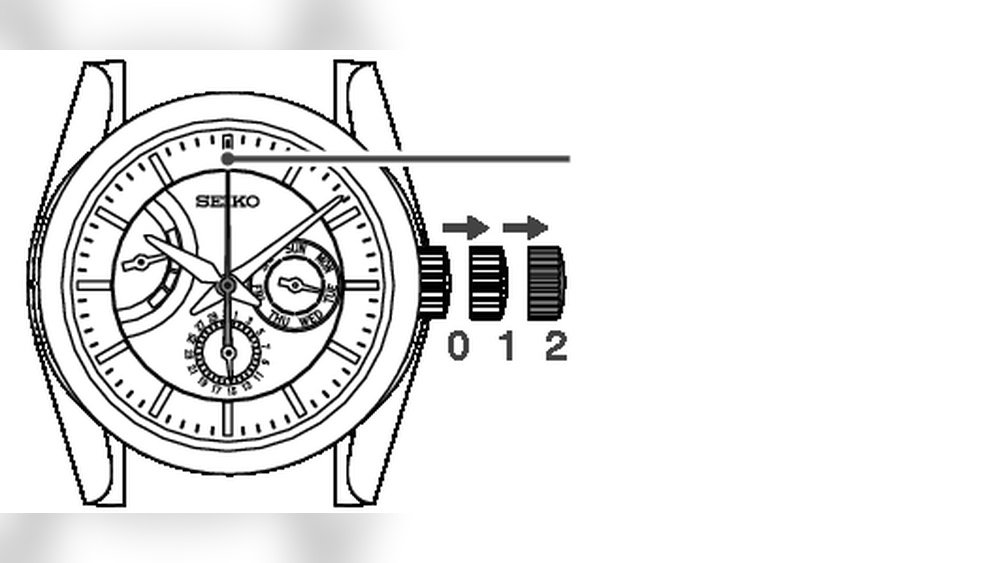
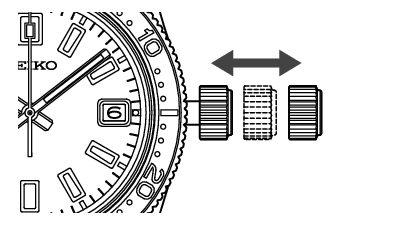
Adjusting a Seiko watch around midnight can cause damage. The watch’s date and time gears are shifting then. Moving the crown during this time may harm the internal parts. This can lead to incorrect date changes or broken mechanisms. Avoid changing the time from about 9 PM to 3 AM to keep your watch safe.
Better moments to set your watch include early morning or mid-afternoon. The gears are stable during these hours. Adjusting the watch then ensures smooth operation and accuracy. Always move the crown gently to avoid strain.
Steer Clear Of Adjusting Underwater
Never adjust a Seiko watch underwater. Water resistance can weaken if the crown or buttons move while submerged. Moisture may enter the case, causing internal damage and rusting parts. This reduces the watch’s lifespan and accuracy.
Seiko watches have specific water resistance limits. Exceeding these limits risks breaking the seal. This seal stops water from getting inside. Even small water drops can cause long-term harm.
Always wait until the watch is dry before adjusting. Make sure the crown is fully pushed in or screwed down. This keeps the watch safe and working well for years.
Don’t Adjust While Wearing The Watch
Adjusting a Seiko watch while wearing it can damage the crown and stem. The pressure from your wrist may cause parts to bend or break. This can lead to costly repairs and affect how well the watch keeps time.
Always remove the watch before making any changes. Hold it steady on a soft surface. This prevents unintended pressure on delicate parts.
| Best Practices | Reason |
|---|---|
| Take off the watch before adjusting | Avoids pressure on the crown and stem |
| Use clean, dry hands | Keeps dirt and moisture out of the mechanism |
| Turn the crown gently | Prevents damage to internal gears |
| Adjust in a well-lit area | Helps avoid mistakes |
Avoid Frequent Date And Time Changes
Frequent date and time changes can cause serious wear and tear on a Seiko watch’s movement. The delicate gears inside are made to move smoothly but not too often. Adjusting the date during certain hours can damage the mechanism.
Seiko watches are built for long-lasting accuracy. Constant adjustments may lead to inaccuracy over time. The watch might start losing or gaining time faster than usual.
It’s best to avoid changing the date between 8 PM and 4 AM. During this period, the watch is already working to change the date on its own. Manual changes can cause the gears to slip or break.
Be Careful With Quickset Date Functions
Quickset date features let you change the date without moving the hour hand. Use this feature only when the watch shows a time outside the danger zone. This zone is usually between 8 PM and 4 AM. Changing the date inside this time can damage the watch’s gears.
Always set the time first, then adjust the date. Avoid changing the date rapidly over several days. This can cause the date wheel to slip or break.
| When to Use Quickset | When to Avoid |
|---|---|
| Time is before 8 PM | Between 8 PM and 4 AM |
| Adjusting date for one day | Changing date quickly for many days |
| Time is set correctly first | Date adjusted before setting time |

Credit: www.youtube.com
Skip Adjustments During Power Reserve Low
Signs of low power reserve include the watch running slower than usual or stopping. The second hand might jump in 2-4 second intervals instead of smooth motion. These are clear signals the watch needs winding or movement to recharge.
Adjusting the time or date while the power reserve is low can harm the watch’s mechanism. The gears might not move correctly if there is not enough energy. This can cause damage or inaccurate timekeeping.
Always check the power reserve level before making adjustments. If the watch shows signs of low power, wind it first. Wait until the watch has enough power to keep the gears moving smoothly. This keeps the watch safe and working well.

Credit: www.youtube.com
Frequently Asked Questions
When Should I Avoid Adjusting My Seiko Watch?
Avoid adjusting your Seiko watch between 8 PM and 4 AM. During this time, the date-changing mechanism is active and can be damaged.
Can Adjusting A Seiko Watch At Night Harm It?
Yes, adjusting your Seiko watch at night can harm the date mechanism. It’s best to make changes during the day to prevent damage.
Why Is My Seiko Watch Not Changing The Date Properly?
If you adjust the watch during the date change period, the mechanism may jam. Wait until after 4 AM to reset the date.
How Often Should I Adjust My Seiko Watch?
Adjust your Seiko watch only when necessary, like after a month with fewer than 31 days. Frequent adjustments may cause wear.
Conclusion
Avoid adjusting your Seiko watch during certain situations. For example, do not change the time or date between 9 PM and 3 AM. This can harm the watch’s internal gears. Also, avoid adjusting while the watch is wet or dirty.
Wait until the watch is dry and clean to make changes. Taking care of your watch this way helps it last longer. Remember, gentle handling keeps your Seiko running smoothly and accurately. Small actions can protect your watch and save repair costs later.
Always follow these tips to enjoy your Seiko watch fully.