You might think changing the time on your Seiko watch is simple—just turn the crown and adjust. But did you know that doing this at the wrong moment can damage your watch or affect its accuracy?
If you want your Seiko to keep perfect time and last for years, it’s important to know exactly when not to change the time. Keep reading to discover the key moments to avoid, so you can protect your watch and enjoy it without worry.
Don’t risk costly repairs—learn these simple tips now!
Credit: www.seikowatches.com
Seiko Watch Time Setting Basics
Seiko watches use a mechanical or quartz movement to keep time. The mechanical type works with tiny gears and springs inside. Quartz watches use a small battery and a crystal to control time. Both types need careful handling when setting the time.
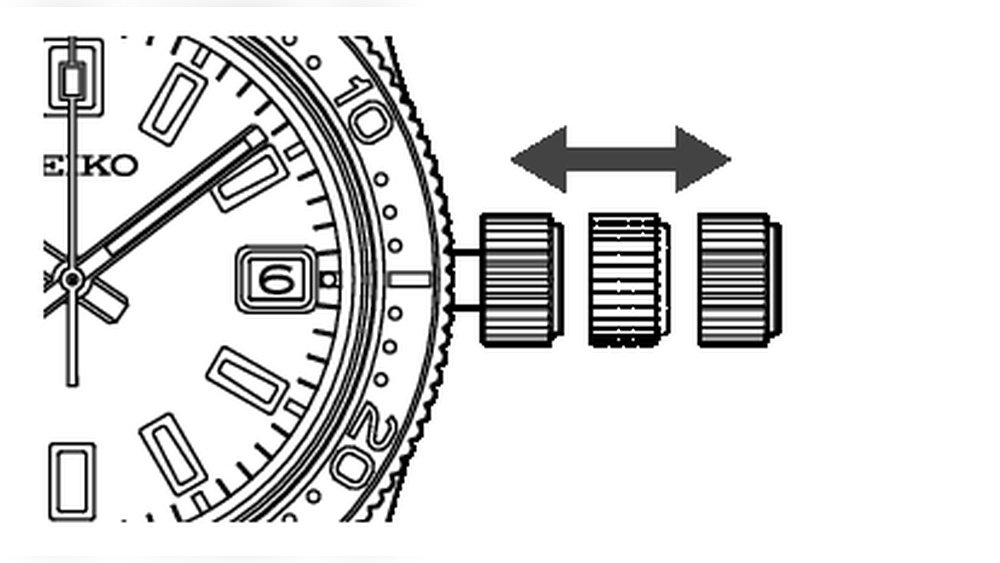
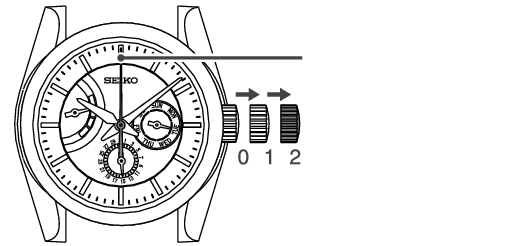
The standard time adjustment process usually involves pulling the crown (the small knob) out to the first or second click. Then, turning the crown changes the time or date. Be sure to move the hands forward, not backward, to avoid damaging the watch’s movement.
Many Seiko watches have a “danger zone” between 9 PM and 3 AM. Avoid changing the date during this time. The watch is already shifting the date internally, so manual changes can cause problems.
Risks Of Changing Time At Wrong Moments
Changing the time on a Seiko watch at the wrong moment can cause serious problems. The date mechanism is delicate and can break if adjusted during the date change period, usually between 9 PM and 3 AM. Turning the crown to change the date at this time may damage the gears inside.
The automatic movement relies on smooth, precise motion. Forcing the hands to move backward or forward while the watch is working can disrupt its accuracy. This may lead to timekeeping errors or even stop the watch.
Always check the watch’s manual for safe times to adjust. Avoid changing the date or time during the critical hours to protect your watch’s mechanism and movement. Proper care keeps the watch running well for years.
Critical Time Periods To Avoid Adjusting
Avoid changing the time on your Seiko watch during the hours around midnight. This period is very sensitive for the watch’s internal gears. Adjusting the time now can cause damage to the date change mechanism.
During the date change transition phase, usually between 10 PM and 2 AM, the watch starts to switch the date. Moving the hands or setting the time during this phase may jam the gears or cause the date to show incorrectly.
Wait until the watch finishes changing the date before adjusting the time. This helps keep your watch working smoothly and accurately.

Credit: www.youtube.com
Safe Practices For Adjusting Your Seiko Watch
Adjust your Seiko watch only between 6 AM and 9 PM. Changing time during the night may harm the internal gears. The watch’s date change mechanism runs roughly from 9 PM to 3 AM. Avoid setting the time during this period to prevent damage.
Use the crown gently when adjusting the time. Pull it out carefully to the correct position. Do not force it, or it could break. Turn the crown slowly and stop if you feel resistance. Always push the crown back in to secure it after setting.
Common Mistakes And How To Prevent Them
Forcing the crown can seriously damage a Seiko watch. The crown controls the time and date settings. Turning it too hard or at the wrong time may break internal parts. Always turn the crown gently and stop if it feels stuck. Forcing the crown often leads to costly repairs.
Ignoring manufacturer guidelines risks harming the watch’s movement. Seiko provides clear instructions on when to avoid changing the time, especially during certain hours. Changing the time during these periods can disrupt the date mechanism. Reading and following the manual keeps the watch working smoothly for years.

Credit: www.youtube.com
Maintenance Tips To Protect Your Seiko Watch
Regular servicing keeps your Seiko watch working well for years. It helps fix small problems before they get big. Experts suggest servicing every 3 to 5 years. This includes cleaning, oiling, and checking parts. Avoid changing the time during the watch’s date change period (usually 9 PM to 3 AM). Doing so can damage the gears.
Proper storage protects your watch from harm. Keep it in a dry, cool place away from strong magnets. Avoid dropping or shaking the watch. Use a soft cloth to clean it gently. Always handle your watch with care to avoid scratches or damage.
Frequently Asked Questions
When Should I Avoid Changing Time On My Seiko Watch?
Avoid changing the time during the watch’s date change period, usually between 8 PM and 4 AM. Adjusting during this time can damage the date mechanism and affect accuracy.
Why Not Adjust Seiko Watch Time At Midnight?
Changing time at midnight can interfere with the date change mechanism. It may cause incorrect date setting and damage the internal gears.
Can Changing Time Harm My Seiko Automatic Watch?
Yes, improper time changes, especially during date change hours, can damage the automatic movement. Always follow manufacturer guidelines to prevent issues.
How To Safely Change Time On A Seiko Watch?
Change time when the watch is not in the date change phase. Pull the crown gently and adjust the hands slowly to avoid damage.
Conclusion
Avoid changing the time on your Seiko watch during certain moments. Never adjust the time when the watch’s date is changing. Doing so can damage its delicate gears. Also, avoid time changes during the watch’s automatic winding process. These simple steps help keep your watch accurate and running smoothly.
Treat your Seiko watch with care to enjoy its precision for years. Remember, patience helps protect your valuable timepiece. Keep these tips in mind to avoid costly repairs or malfunctions. Your watch deserves the best handling every day.