Have you ever wondered why your Seiko watch doesn’t keep time as perfectly as you expected? You’re not alone.
Many people trust Seiko for quality and precision, yet find their watches running fast, slow, or just off the mark. If you’ve noticed this with your own watch, you might be frustrated or confused. Understanding why Seiko watches can be inaccurate will help you decide if it’s a simple fix or a bigger issue.
Keep reading to discover the surprising reasons behind this and how it affects your daily life.
Seiko’s Reputation In Watchmaking
Seiko started making watches in 1881 in Japan. Their first watches were simple but reliable. Over time, they became famous for making good, affordable watches.
Seiko brought many new ideas to watchmaking. They made the first quartz watch in 1969. This made watches more accurate and cheaper to produce.
They also created the Spring Drive movement, which mixes mechanical and electronic parts. This helps watches keep time very well.
Seiko won many awards for their work. Their watches are known for being tough and lasting a long time. This history shows why many people trust Seiko.
Factors Affecting Watch Accuracy
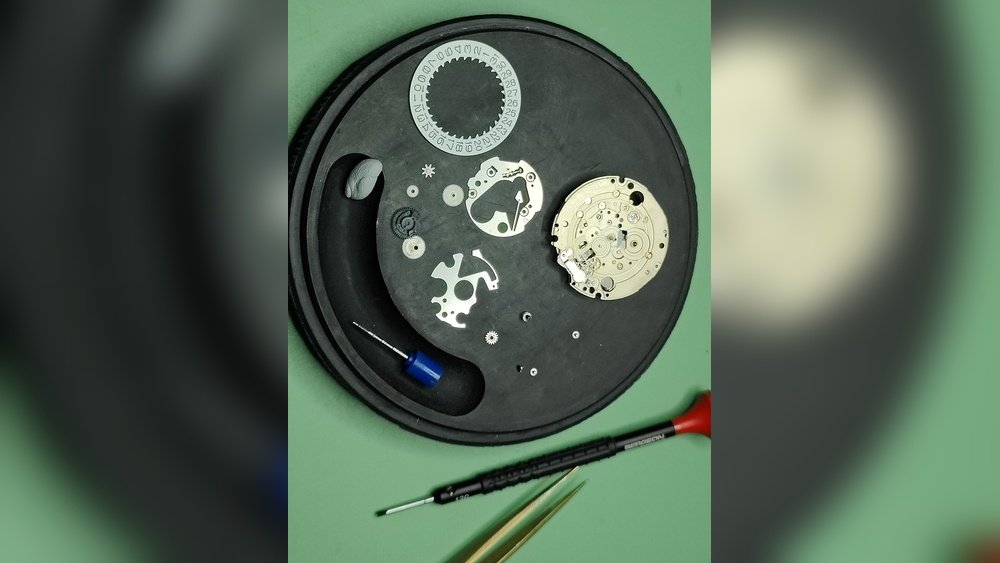
Mechanical watches rely on tiny moving parts. These parts can wear out or shift, causing the watch to lose or gain time. Quartz watches use a battery and a crystal to keep time. They are usually more accurate but can still have small errors.
Temperature changes can make metal parts expand or shrink. This affects how well the watch keeps time. Magnetic fields can also interfere with the watch’s movement. Even strong sunlight or moisture can cause problems.
Regular wear causes parts to wear down or get dirty. Dust and oil can build up inside the watch. This slows down the movement and reduces accuracy. Watches need maintenance like cleaning and oiling to stay accurate.
Common Accuracy Issues In Seiko Watches
Mechanical Seiko watches often show varying accuracy. This is due to tiny differences in their parts. Even small changes in temperature or position can cause time errors. These watches need regular care to keep time well.
Quartz Seiko models are usually more accurate but have limits. The battery power can affect the watch’s performance. Also, quartz crystals can slowly lose their precise frequency, causing small time drift.
User handling plays a big role in watch accuracy. Dropping the watch or exposing it to strong magnets can harm its parts. Wearing it loosely or too tightly may also affect its ability to keep correct time.
Comparing Seiko Accuracy To Other Brands
Seiko watches have a wide range of accuracy depending on the model. Luxury watches often meet strict timekeeping standards. They can vary by only a few seconds per day. Affordable watches, like many Seiko models, may have a larger range of error.
Swiss luxury brands often use COSC certification for accuracy. This means their watches must keep time within -4 to +6 seconds per day. Seiko’s affordable watches usually have an accuracy range of -15 to +25 seconds per day. This is still good for daily use but not as precise.
| Brand Type | Accuracy Range (Seconds/Day) | Certification |
|---|---|---|
| Luxury Swiss | -4 to +6 | COSC Certified |
| Seiko Affordable | -15 to +25 | No Certification |
| High-End Seiko (e.g., Grand Seiko) | -3 to +5 | High Accuracy Standard |
Luxury watches have more precise parts and testing. Affordable watches focus on value and durability. This affects the accuracy difference between brands.
Improving Seiko Watch Accuracy
Regular servicing keeps Seiko watches running smoothly. Clean and oil the movement every few years. This prevents dirt build-up and wear, which cause inaccuracy. Use a trusted watchmaker for best results.
Proper usage helps maintain accuracy. Avoid strong magnetic fields and extreme temperatures. Wear the watch regularly to keep the automatic movement working well. Store it face up when not worn.
| Upgrading Components | Benefits |
|---|---|
| Replace old mainspring | Improves power reserve and stability |
| Upgrade balance wheel | Enhances timekeeping precision |
| Use higher grade lubricants | Reduces friction and wear |
Credit: www.watchcrunch.com
Common Myths About Seiko Accuracy
Many people think Seiko watches are inaccurate. This is often not true. Seiko makes many types of watches, some mechanical and some quartz. Quartz watches are usually very accurate. Mechanical watches can lose or gain a few seconds per day. This is normal for all mechanical watches, not just Seiko.
Some customers expect perfect timekeeping from all watches. Mechanical watches work with tiny moving parts. These parts can be affected by temperature, magnetism, and wear. Small changes happen naturally over time.
People sometimes compare Seiko to very expensive brands. Those brands use extra fine tuning and parts. Seiko offers good quality at a lower price. This means some small errors are normal.
Expert Opinions On Seiko Accuracy
Watchmakers say Seiko watches can have slight accuracy issues. This is often due to their automatic movements, which rely on wrist motion to stay wound. Sometimes, the watch may not get enough movement, causing time to slow down or speed up.
Seiko uses affordable materials and parts to keep costs low. This can affect how precise the watch is. Also, many Seiko models are made for everyday use, not for exact timekeeping like high-end Swiss watches.
Consumers often mention inconsistent timekeeping in reviews. Some say their Seiko gains or loses several seconds daily. Others find the watch works fine after regular adjustments and servicing.
Proper care, such as regular cleaning and servicing, can improve accuracy. But slight time variation is normal for many mechanical watches, including Seiko.

Credit: www.reddit.com

Credit: www.reddit.com
Frequently Asked Questions
Why Do Seiko Watches Lose Or Gain Time?
Seiko watches may lose or gain time due to mechanical movement variations. Factors like temperature, magnetism, and wear affect accuracy. Quartz models are generally more precise but can also face battery or circuit issues causing time deviations.
Are Seiko Mechanical Watches Less Accurate Than Quartz?
Yes, Seiko mechanical watches are less accurate than quartz. Mechanical watches rely on moving parts, which cause slight timing errors. Quartz watches use electronic oscillators, providing higher accuracy and stability over time.
How Can I Improve My Seiko Watch’s Accuracy?
To improve accuracy, keep your Seiko watch away from magnets and extreme temperatures. Regular servicing and cleaning help maintain precision. For mechanical models, ensure consistent wearing or winding to keep the movement stable.
Is It Normal For Seiko Watches To Be Inaccurate?
Some inaccuracy is normal, especially in mechanical Seiko watches. Quartz models are more precise but may still deviate slightly. Minor timing errors do not always indicate defects and can be corrected with proper care.
Conclusion
Seiko watches sometimes show less accuracy due to their mechanical parts. Small changes in temperature or movement can affect timekeeping. These watches focus on craftsmanship and style over perfect precision. Many users accept minor time differences as normal. Regular care and servicing help keep watches running well.
Understanding these factors helps set fair expectations. Seiko offers reliable watches but not perfect timepieces. Choose a watch that fits your needs and budget best.