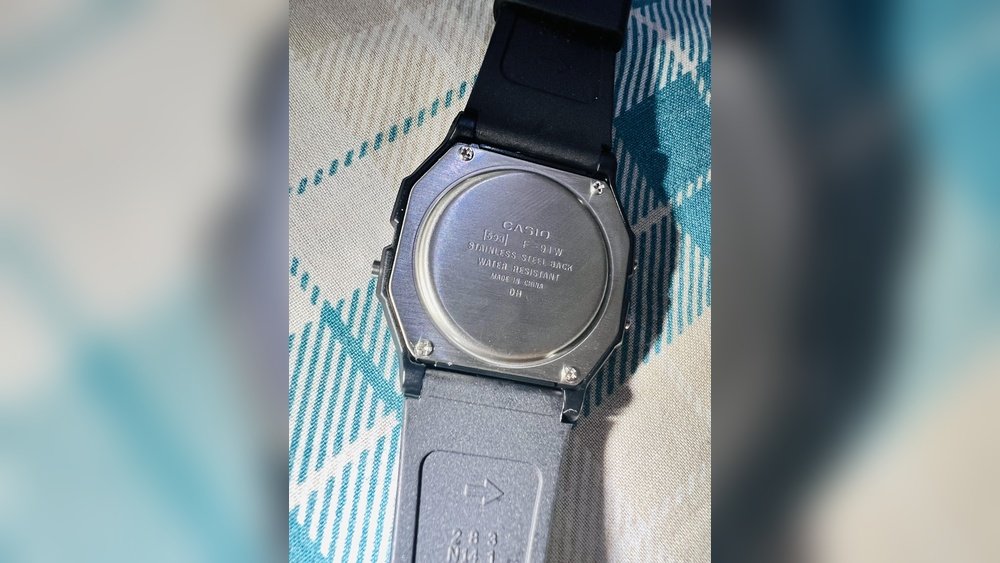
Casio watches are a familiar sight across the world. Known for their reliability, affordability, and innovative features, these timepieces have been trusted by millions for decades. But a common question remains: Where are Casio watches made? The answer is more complex than a single country name. Casio’s production methods, factory locations, and quality standards have evolved to meet global demand. Understanding where and how Casio watches are made reveals a lot about their value and appeal.
The History Of Casio Manufacturing
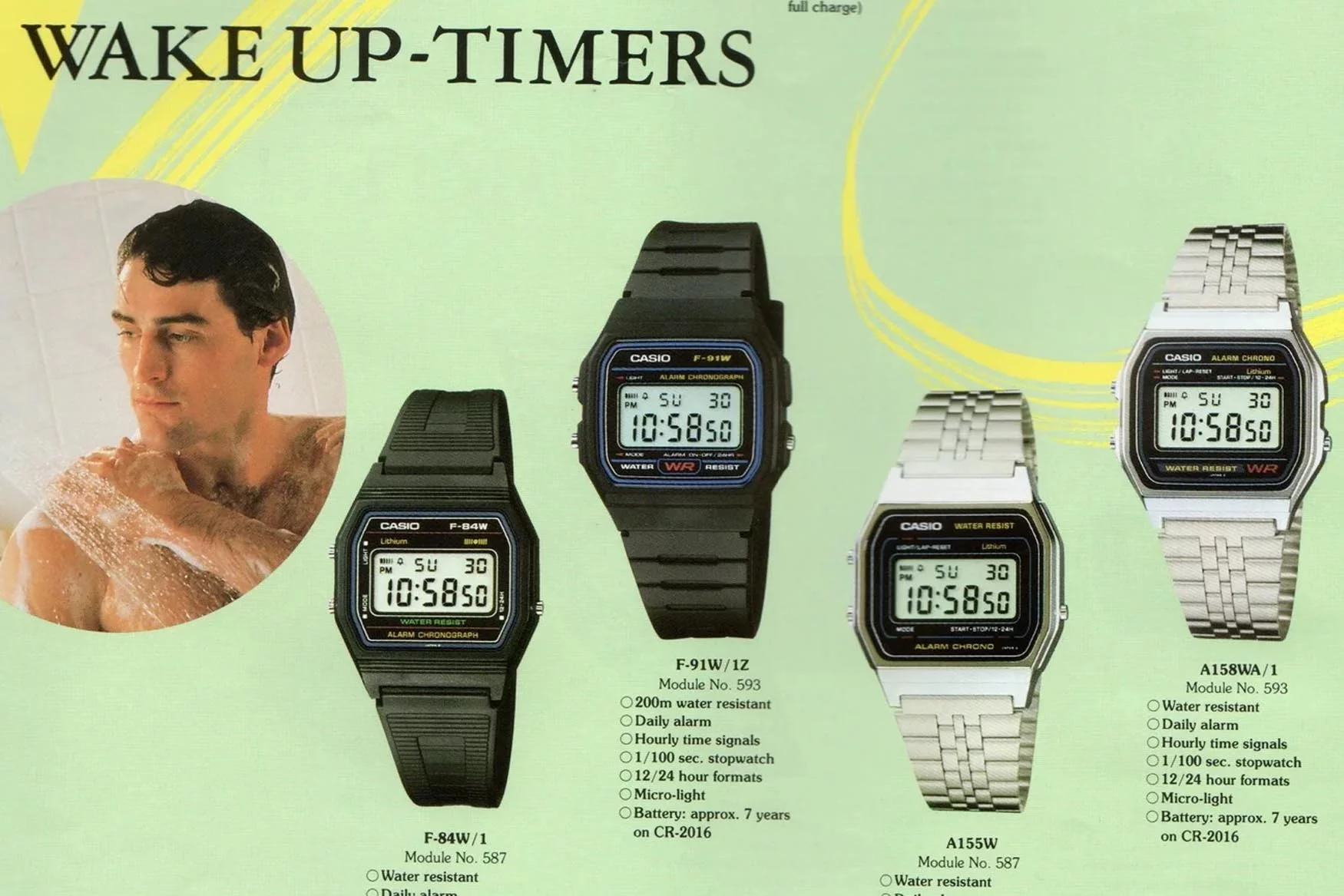
Casio, a Japanese electronics giant, began producing watches in the 1970s. The company quickly became famous for the Casio G-Shock and the Casio F-91W, both of which set new standards for durability and design. Originally, all Casio watches were manufactured in Japan. Over the years, as Casio expanded, the company built factories in other parts of Asia.
Today, Casio watches come from a network of factories in several countries. This strategy helps Casio control costs, maintain quality, and meet global demand.
Main Countries Where Casio Watches Are Made
Japan
Casio’s roots remain in Japan. The company still produces many of its high-end models here. Watches labeled “Made in Japan” usually include premium G-Shock lines, Oceanus, and some Edifice and Pro Trek models. These watches are often seen as the best in terms of quality and attention to detail.
Thailand
Most Casio watches sold worldwide are made in Thailand. Casio’s largest watch factory is in Rayong, Thailand. This plant uses advanced automation and strict quality controls. Models like the standard G-Shock, F-91W, and most basic digital and analog watches are produced here.
China
Casio also has production facilities in China. Watches made here are typically more affordable models. While some buyers assume lower quality, Casio applies the same standards to all its factories, regardless of location.
Other Locations
There have been smaller production runs in Malaysia and Vietnam, but these are limited compared to the output from Japan, Thailand, and China.
Here’s a comparison of Casio’s main manufacturing countries:
| Country | Key Models Produced | Factory Size | Typical Price Range |
|---|---|---|---|
| Japan | High-end G-Shock, Oceanus | Medium | $200-$800+ |
| Thailand | Standard G-Shock, F-91W | Large | $15-$300 |
| China | Entry-level digital/analog | Medium | $10-$100 |
Credit: timeandtidewatches.com
How To Tell Where Your Casio Watch Was Made
Finding out where your specific Casio watch was made is not always obvious. Casio uses a country of origin code on most watches. Look at the back of your watch or its box for phrases like:
- “Made in Japan”
- “Made in Thailand”
- “Made in China”
If you see just “Japan Movement” or “Cased in China,” it means the movement (the timekeeping mechanism) was made in Japan, but the rest was assembled elsewhere.
Example Codes And Their Meanings
| Marking | What It Means |
|---|---|
| Made in Japan | Both movement and assembly in Japan |
| Japan Movement | Movement in Japan, assembled elsewhere |
| Made in Thailand | Fully produced in Thailand |
Does The Manufacturing Location Affect Quality?
Many buyers wonder if watches from Japan are better than those from Thailand or China. Casio maintains strict quality control at all its factories. The company’s standards are the same, no matter the location. This is why even budget Casio watches are known for reliability.
However, there are some differences to consider:
- Premium Features: High-end models from Japan may use higher-grade materials and more advanced technology.
- Collectibility: Watches made in Japan are sometimes more collectible, especially for limited editions.
- Price: Labor and production costs are higher in Japan, so these watches usually cost more.
For everyday wear, most people won’t notice a difference in function or durability between a Casio made in Japan, Thailand, or China.

Credit: www.reddit.com
Casio’s Approach To Global Manufacturing
Casio’s strategy is about efficiency and scale. By spreading production across several countries, Casio can:
- Respond quickly to changes in demand
- Offer watches at different price points
- Keep quality high without raising prices
The Rayong factory in Thailand is a good example of this. Opened in 2003, it produces millions of watches each year. Advanced robots help with assembly, but each watch is checked by human workers for accuracy and finish.
Non-obvious Insights About Casio Watch Production
Many buyers don’t realize that:
- Casio sometimes produces the same model in multiple countries. You might find a G-Shock made in both Thailand and Japan, depending on the batch.
- Limited edition and collaboration models are almost always made in Japan, which adds to their value.
- Counterfeit Casio watches often copy the “Made in Japan” label. If a deal seems too good to be true, check the seller’s reputation and the details carefully.
Why Casio Watches Remain Popular Globally
Casio’s mix of smart manufacturing, innovation, and quality control has made its watches a global favorite. Whether your Casio is made in Japan, Thailand, or China, you’re likely getting a reliable timepiece built to last. For more on Casio’s global approach, visit the official Casio Global Site.
Frequently Asked Questions
Where Are Most Casio Watches Made?
Most Casio watches are produced in Thailand, especially in the Rayong factory. This includes popular models like the F-91W and standard G-Shock.
Are Casio Watches Made In Japan Better Quality?
Watches made in Japan are often seen as premium. They sometimes use better materials and more advanced technology. However, Casio’s quality standards are high in all factories.
How Can I Check Where My Casio Watch Was Made?
Look at the back of the watch or the box. You’ll see phrases like “Made in Japan,” “Made in Thailand,” or “Made in China.” The marking shows the country of assembly.
Do All Casio Watches Use Japanese Movements?
Many Casio watches use Japanese movements, but assembly may happen in Thailand or China. If the watch says “Japan Movement,” only the internal mechanism is from Japan.
Are There Fake Casio Watches With False “made In Japan” Markings?
Yes, counterfeit watches sometimes use fake labels. Buy from trusted sellers and check details closely to avoid fakes.

Credit: www.reddit.com