Yes, many watches produced by Q&Q are made in China, though the brand also maintains manufacturing facilities in other Asian countries. You’ll find that these timepieces, a subsidiary of the Citizen Watch Co., are assembled across various locations to manage costs while maintaining the quality standards set by their Japanese headquarters.
The primary factor determining where a specific watch is built is the model series and the year of production. Because Citizen oversees the global supply chain, they shift assembly locations based on factory capacity and logistics needs. A common mistake is assuming that all watches from a single brand come from one country; in reality, production is often distributed to ensure the brand remains competitive in the entry-level market.
Where these watches are made

The brand distributes its manufacturing across several key hubs in Asia to ensure consistent output. While China is a major site for assembly, you’ll also find Q&Q watches produced in facilities located in Japan and other parts of Southeast Asia.
- Check the case back of your watch for a small engraving that indicates the country of origin.
- Look for the “Movement Japan” mark on the dial or case back, which confirms the internal mechanism follows Citizen Watch Co. manufacturing standards.
- Inspect the packaging, as the import label often lists the specific country where the final assembly took place.
- Verify the model number against the official catalog if you need to confirm the regional origin for a specific vintage piece.
Tip: Don’t rely on the store’s listing, as retailers often use generic descriptions. Always look for the physical markings on the watch itself.
Production Timeframes
The time it takes for a watch to move from a factory to your wrist depends on the global shipping routes and local distribution centers. While assembly is fast, the logistics process varies significantly based on where you’re located.
| Situation | Shipping Time | What changes it | What to watch for |
|---|---|---|---|
| Direct from factory | 30–45 days | Customs clearance | Tracking updates |
| Regional warehouse | 3–7 days | Local courier speed | Delivery windows |
| Specialized orders | 60+ days | Bulk processing | Import delays |
If your delivery is taking much longer than the standard window, contact the seller to confirm if the item is in stock locally or if it’s being drop-shipped from an overseas facility.
Verifying Your Watch
You can identify the authenticity and origin of your watch by checking for the specific serial codes and brand stamps. Genuine Q&Q watches feature precise, clear printing on the dial and a secure, well-fitted crown.
If the markings appear blurry or the watch feels unusually light for its size, these are common signs of a counterfeit product rather than a factory-made unit. When you’re uncertain about the build quality, compare the weight and finish to a known authentic model from an authorized dealer.
Errors That Impact Value
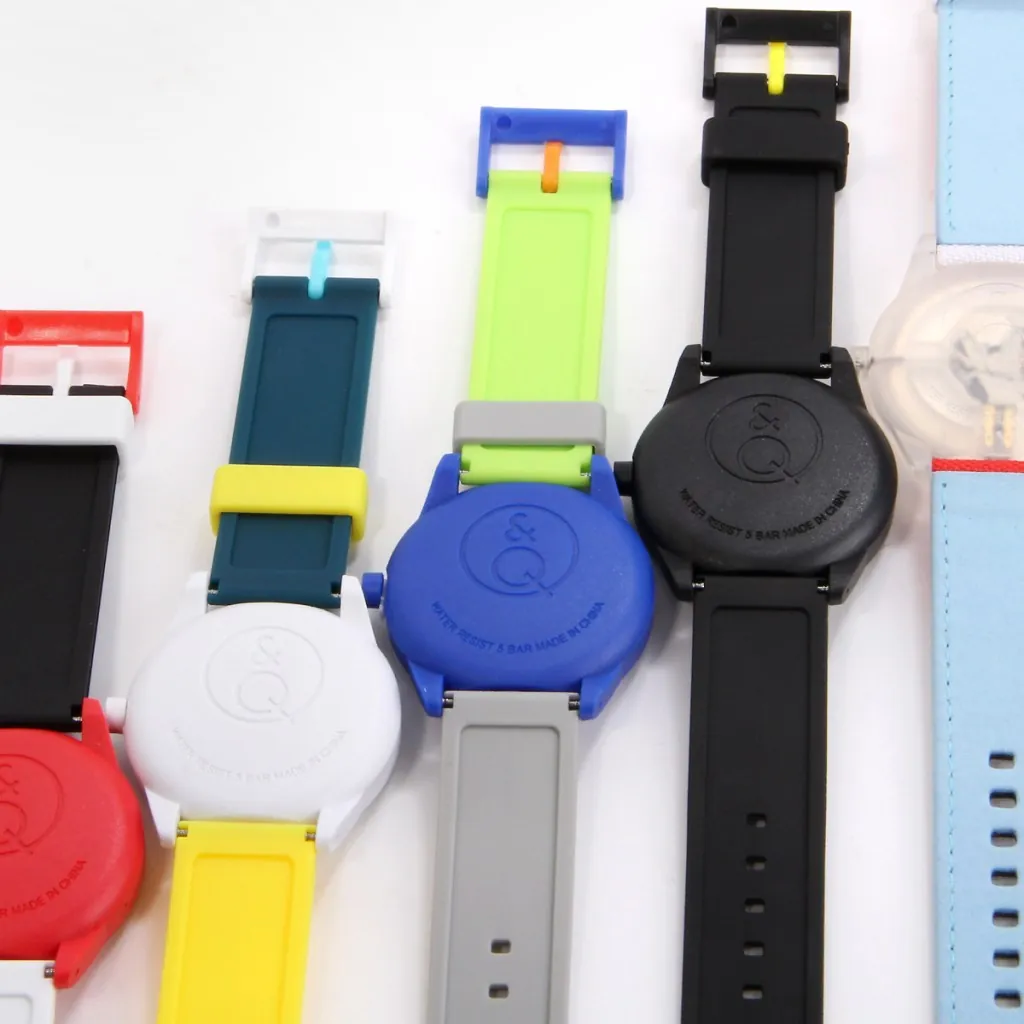
- Ignoring the case back markings. Many buyers fail to check the rear of the watch, which is the only place the official country of assembly is consistently listed. Always turn the watch over and use a magnifying glass if the text is too small to read clearly.
- Buying from unauthorized online marketplaces. These sellers often mislabel the origin of the watch to match their own distribution claims. Purchase only from retailers that explicitly state their supply chain and offer a clear return policy.
- Assuming price equals origin. A higher price doesn’t guarantee the watch was made in Japan, as regional branding and import taxes often inflate costs regardless of where the factory is located. Check the specific model specs rather than assuming a high-end price means a different production country.
Related guides
- Where are Casio Watches Made? Unveiling Their Global Origins
- Is Casio Watch Made in China: Truth Behind the Origins Revealed
Frequently asked questions
Can I tell where my watch was made by the serial number?
No, the serial number typically identifies the production date and batch rather than the country of manufacture. You must look for the “Made in” stamp on the case back or the accompanying documentation provided by the manufacturer to confirm the specific factory location.
Why do some watches say Japan and others say China?
They say Japan when the final assembly occurs in a Japanese facility, whereas those marked China are assembled in Chinese plants under the same quality protocols. Citizen maintains these multiple sites to balance production speed and global supply chain demands across all their sub-brands.
Is it safe to buy a Q&Q watch made in China?
Yes, it’s safe because every watch must meet the strict quality control standards established by the parent company. These factories use the same movements and materials as their other locations to ensure the watch performs reliably regardless of where it was physically put together.
How long does a standard Q&Q watch last?
A standard watch typically lasts for a significant duration with proper battery changes and basic care.
What happens if my watch arrives without an origin label?
If the label is missing, you should verify the authenticity by checking the movement caliber against the official database provided by the manufacturer. A missing label on the packaging doesn’t mean the watch is fake, but it should always be accompanied by a valid warranty card.
Conclusion
Whether your watch was crafted in China or elsewhere, it’s built to last with reliable Japanese technology. You don’t need to worry about its origin when you’re checking the time. If you’re curious about your specific model, check the case back; it’s a great way to learn more about your timepiece’s journey.