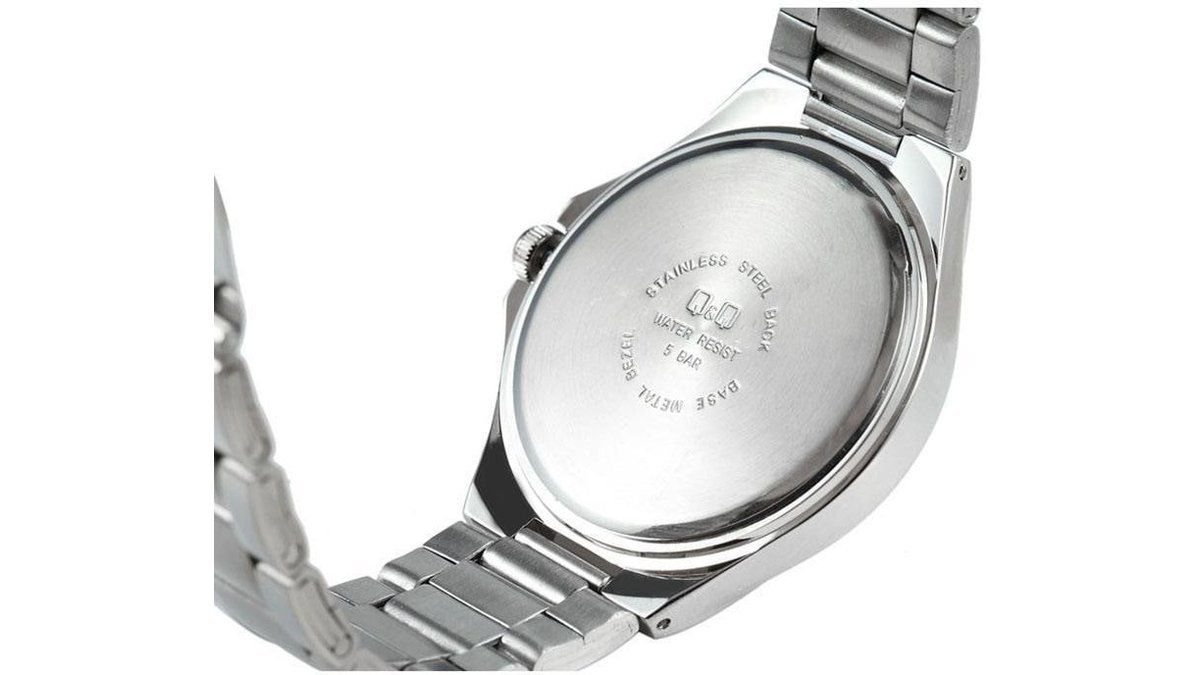
Q&Q watches are generally water-resistant rather than fully waterproof, meaning their ability to withstand moisture depends entirely on the specific model’s rating. Manufactured by Citizen Watch Co., these timepieces are categorized by pressure resistance levels that dictate whether they can handle a simple splash or a deep-sea dive. Understanding these technical specifications is essential to ensuring your watch remains functional and free from internal fogging or mechanical failure over time.
Key Takeaways
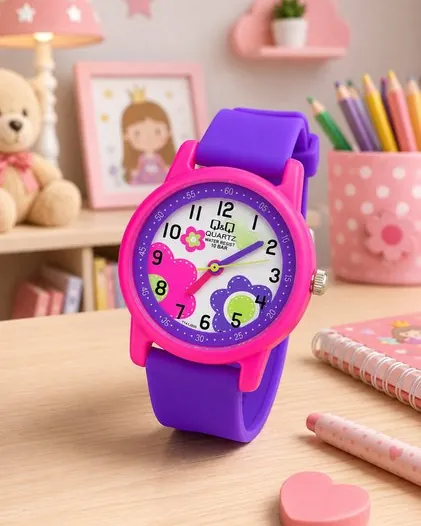
- Check the case back of your watch for a specific water-resistance rating.
- Never operate the crown or pushers while the watch is submerged underwater.
- Avoid wearing your watch in hot showers, saunas, or steam rooms.
- Rinse your watch with fresh water after exposure to saltwater or chlorine.
- Water resistance isn’t permanent and degrades as the rubber seals age.
Are Q&Q Watches Waterproof?
Most Q&Q watches are rated for water resistance, which is a technical term indicating they can withstand a certain amount of pressure. No watch is truly “waterproof” in the absolute sense because, under enough pressure or heat, moisture will eventually breach the seals.
Q&Q uses standard industry ratings to define the limits of each model, ranging from basic splash resistance to suitability for swimming. Always verify your specific model number on the Citizen Watch Co. Support page to confirm its intended use.
Understanding Water Resistance Ratings
Manufacturers assign ratings based on the pressure a watch can endure under controlled conditions. These are usually expressed in meters (m), feet (ft), or bars (atm). It’s a common misconception that these numbers represent the actual depth a diver can reach; rather, they reflect laboratory pressure tests.
| Rating | Practical Use Cases |
|---|---|
| 3 Bar / 30m | Hand washing, light rain, splashes |
| 5 Bar / 50m | Showering, surface swimming |
| 10 Bar / 100m | Snorkeling, recreational water sports |
| 20 Bar / 200m | Scuba diving, professional water activities |
Why Heat Damages Your Seals
Warning: Exposing your watch to extreme heat is the fastest way to compromise its water resistance. Even if your watch is rated for 100 meters, taking it into a sauna or a hot shower can cause the internal rubber gaskets to expand and contract rapidly. This thermal stress creates microscopic gaps, allowing water vapor to enter the movement. Once moisture enters the casing, it can corrode the delicate gears and ruin the quartz movement beyond repair.
Handling Saltwater and Chlorine
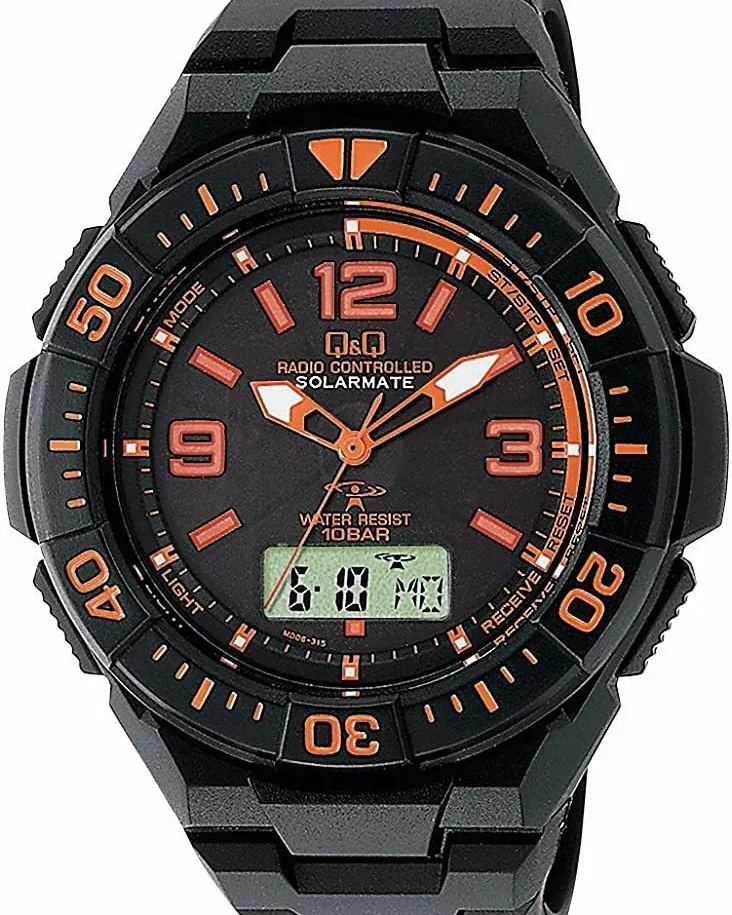
If you wear your watch while swimming in the ocean or a pool, you must perform basic maintenance afterward. Saltwater is highly corrosive to metal components, and chlorine can degrade rubber seals over time. After your swim, rinse the watch under a gentle stream of fresh, room-temperature water. Wipe it dry with a soft, lint-free cloth to prevent mineral buildup on the case back or around the crown.
Signs Your Watch Has Leaked
Even with careful use, accidents happen. You should inspect your watch periodically for signs that the seal has failed. If you notice any of these symptoms, take your watch to a professional technician immediately:
- Persistent fogging on the underside of the crystal.
- Visible water droplets trapped inside the watch face.
- Erratic movement of the second hand or total stoppage.
- Rust spots appearing on the dial or hands.
- A strange smell emanating from the case when the crown is pulled out.
Maintenance and Seal Replacement
Water resistance isn’t a static feature of your watch; it’s maintained by small rubber rings called O-rings. Over several years, these rings dry out, crack, or lose their elasticity. Pro Tip: Have your watch pressure-tested by a professional jeweler every two to three years, especially if you regularly expose it to water. If you replace the battery, always ask the technician to inspect the gaskets and re-grease them to ensure the original seal remains intact.
Common Water Resistance Myths
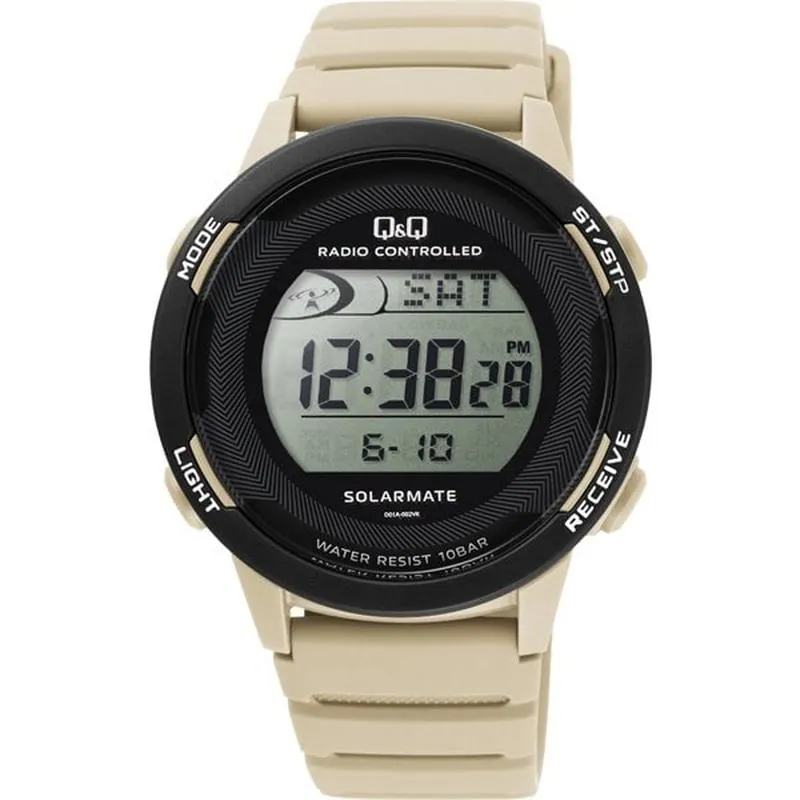
Many people assume that a “water-resistant” label means the watch is immune to all liquid contact. This is dangerous for your timepiece. Don’t assume your watch is safe simply because it says “water-resistant” on the dial. Always check the case back engraving for the specific bar or meter rating. Furthermore, never press the buttons or pull the crown while the watch is wet, as this creates an immediate pathway for water to bypass the protective seals.
Related guides
- Is Casio Watch Waterproof? Discover Ultimate Water Resistance Facts!
- Are Seiko Watch Waterproof: Ultimate Guide to Water Resistance
Frequently Asked Questions
Can I swim with a 30m rated watch?
No, a 30m rating is only intended for accidental splashes, such as washing your hands or getting caught in light rain. Swimming creates dynamic pressure when you move your arm through the water, which can easily exceed the 3-bar pressure limit of a 30m watch.
Does steam damage my watch?
Yes, steam is far more dangerous than liquid water. Steam molecules are small enough to penetrate seals that would normally hold back liquid water. Avoid wearing your watch in saunas, steam rooms, or hot tubs to prevent irreversible moisture damage.
What should I do if water gets inside?
If you see condensation under the glass, pull the crown out to stop the watch and take it to a professional watchmaker immediately. Don’t attempt to dry it using a hairdryer or by placing it on a radiator, as the heat may damage the internal components or cause the glass to warp.
How often should I test my watch?
If you use your watch for swimming or diving, it’s recommended to have the water resistance tested annually. If you only wear your watch for daily desk work, a professional inspection of the gaskets during a battery change every few years is usually sufficient to maintain its integrity.
Is a screw-down crown necessary?
A screw-down crown provides an extra layer of protection by physically locking the crown against the case, which is standard for watches rated at 100m or higher. If your watch has a screw-down crown, ensure it’s fully tightened before entering the water, as an unfastened crown is the most common point of failure for water ingress.
Conclusion
To keep your Q&Q watch in peak condition, take a moment today to verify the specific rating engraved on the back of your watch case. If your activities include regular swimming, visit a local authorized repair center to have your gaskets inspected and pressure-tested, ensuring your timepiece remains a reliable companion for years to come.