Have you ever wondered what goes into building a Seiko watch? Imagine holding a timepiece you assembled yourself, crafted with precision and care.
In this guide, you’ll discover simple, clear steps to build your very own Seiko watch. Whether you’re a beginner or a watch enthusiast, you’ll gain hands-on knowledge that turns complex mechanics into something you can master. Ready to unlock the secrets behind one of the most respected watch brands?
Keep reading, and you’ll soon see how satisfying and rewarding this experience can be for you.

Credit: www.reddit.com
Seiko Watch Components
The case and bezel protect the watch’s inner parts. The case holds everything inside. The bezel surrounds the dial and can turn or stay fixed. It often helps track time or other measurements.
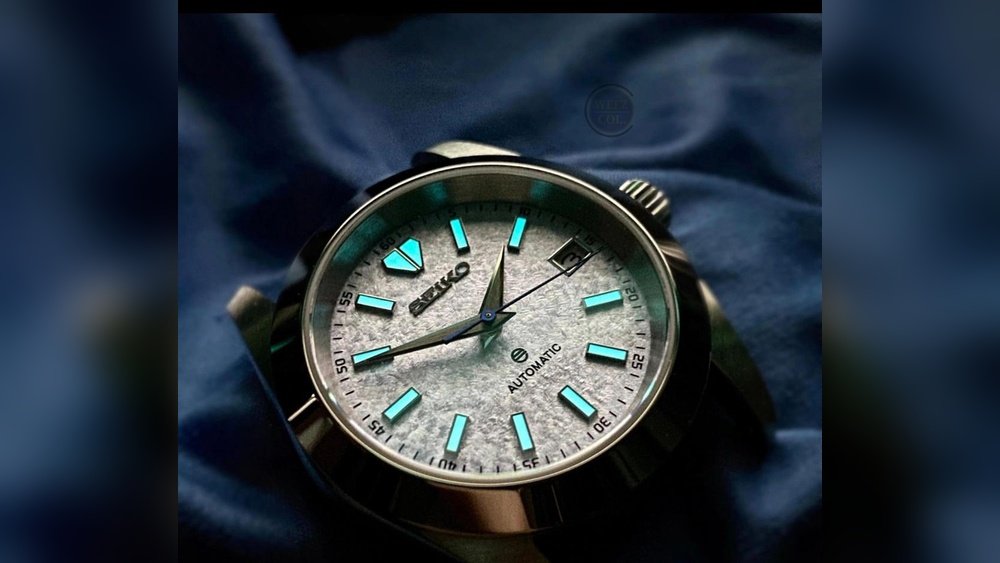
The dial and hands show the time clearly. The dial usually has numbers or markers. The hands move to point at the hours, minutes, and seconds. Some Seiko watches have glowing hands for night use.
Movement types are key to how the watch works. Mechanical movements use springs and gears. Quartz movements use a battery and a tiny crystal to keep time. Automatic movements wind themselves when worn.
The strap and bracelet hold the watch on the wrist. Straps can be made of leather, rubber, or fabric. Bracelets are usually metal links. Both come in many styles to fit different tastes.

Credit: www.youtube.com
Tools Needed For Assembly
Screwdrivers and tweezers are essential for Seiko watch assembly. Small screwdrivers help remove and place tiny screws carefully. Tweezers allow you to handle small parts without dropping or damaging them.
A case back opener is needed to open and close the watch’s back cover securely. This tool prevents scratches and keeps the watch safe during assembly.
The movement holder keeps the watch movement steady. It stops the movement from moving while you work on other parts. This helps avoid damage and makes assembly easier.
Cleaning supplies are important to keep parts free from dust and dirt. Use soft cloths and cleaning solutions made for watches. Clean parts improve the watch’s performance and look.
Preparing The Workspace
A clean and bright workspace helps you see small watch parts clearly. Use a table with good lighting. Keep the area free from dust and dirt. This prevents parts from getting lost or damaged.
Sort all watch parts in small containers or trays. Group similar items together like screws, gears, and springs. Label each container to find parts quickly. This saves time and avoids confusion.
| Safety Precautions | Reason |
|---|---|
| Wear safety glasses | Protect eyes from tiny flying parts |
| Use tweezers and tools carefully | Avoid damaging delicate parts |
| Work on a soft mat | Stop parts from bouncing away |
Assembling The Movement
Start by placing the main plate carefully. It is the base that holds all parts. Check that it fits well and lies flat. This part supports the whole movement.
Next, add the gears and springs. These small parts help the watch keep time. Place each gear in its spot. Springs store energy to run the watch. Handle them gently to avoid damage.
Secure the balance wheel firmly. This wheel controls the watch’s ticking speed. Fix it so it moves freely without wobbling. A steady balance wheel means accurate time.
Finally, lubricate all moving parts lightly. Use special oil for watches. This reduces friction and keeps the watch running smoothly. Too much oil can cause problems, so apply just a little.
Installing The Dial And Hands
Attaching the dial is a key step. Place the dial carefully onto the movement. Use the dial feet to fix it securely. Make sure it fits flat and does not move. Check that the dial holes match the movement posts exactly.
For setting hour, minute, and second hands, start with the hour hand. Press it gently onto the center post. Next, add the minute hand, aligning it carefully. Last, place the second hand on its own pin. Use a hand press tool for precise fitting.
Ensuring proper alignment is very important. The hands should not touch each other or the dial. They must move freely without obstruction. Check the hands move smoothly by turning the crown slowly. Adjust if any hand sticks or rubs against others.
Fitting The Movement Into The Case
Place the movement gently inside the watch case. Make sure it fits snugly without forcing. Align it so the crown fits well with the case hole.
Secure the movement using the tiny screws provided. Tighten them evenly to avoid damage. Use a small screwdriver and be careful not to strip the screws.
After securing, check the watch’s functions. Turn the crown to see if the hands move smoothly. Test the date and time settings to confirm everything works right.
Attaching The Case Back
Before sealing the case, make sure the gasket is clean and in place. The gasket helps keep water out and protects the watch’s inside parts.
Press the case back evenly to avoid damage. Use a case press tool for a secure fit.
Check the watch’s water resistance rating. Do not open the case back too often to maintain this feature.
Keep the crown tightly screwed down after closing the case. This helps stop water from entering.
Water resistance tips:
- Replace the gasket if it looks old or cracked.
- Test water resistance after sealing the case.
- Avoid pressing the case back too hard in one spot.
- Keep the watch away from hot water or steam.

Credit: www.youtube.com
Adding The Strap Or Bracelet
Choose the right strap for your Seiko watch. Leather straps offer a classic look. Metal bracelets are sturdy and long-lasting. Nylon or rubber straps suit sporty styles. Match the strap color with the watch face for a neat look.
Attach the strap by aligning it with the watch lugs. Use a spring bar tool to secure the pins. Press gently but firmly to avoid damage. Double-check the strap is firmly in place before wearing.
Adjust the strap for a comfortable fit. Leather and nylon straps can be tightened using the holes. Metal bracelets often need links removed or added. A proper fit stops the watch from sliding on your wrist.
Final Testing And Calibration
Time accuracy check ensures the watch keeps precise time. The watch is tested over several hours. Adjustments are made until the seconds hand moves correctly.
The power reserve test measures how long the watch runs without winding. The watch is fully wound and left to run. The time it runs before stopping is recorded.
| Test | Description | Purpose |
|---|---|---|
| Time Accuracy Check | Monitors watch timing over hours. | Ensures precise timekeeping. |
| Power Reserve Test | Measures running time without winding. | Confirms battery or spring strength. |
| Water Resistance Verification | Tests sealing against water entry. | Prevents water damage to the watch. |
Water resistance verification checks if the watch resists water pressure. The watch is placed in a sealed chamber. Pressure simulates underwater conditions to test seals.
Maintenance Tips
Cleaning the watch keeps it looking new and working well. Use a soft cloth to wipe the watch daily. For metal bands, gently scrub with a soft brush and soapy water. Avoid soaking leather straps to prevent damage. Dry the watch carefully after cleaning.
Regular servicing helps the watch stay accurate. Take your Seiko watch to a professional every 3 to 5 years. This service checks the movement, oil, and seals. It keeps your watch running smoothly and stops problems early.
Storage recommendations protect the watch when not worn. Store the watch in a cool, dry place away from sunlight. Use a watch box or soft pouch to avoid scratches. Keep it away from magnets to prevent time errors.
Frequently Asked Questions
What Tools Do I Need To Build A Seiko Watch?
You need precision screwdrivers, tweezers, a case opener, a movement holder, and a loupe. These tools ensure careful assembly and prevent damage.
How Long Does It Take To Assemble A Seiko Watch?
Assembling a Seiko watch typically takes 2 to 4 hours. Time varies based on experience and model complexity.
Can Beginners Build A Seiko Watch Successfully?
Yes, beginners can build a Seiko watch with patience and proper guidance. Start with simpler models and follow detailed instructions.
Where Can I Find Seiko Watch Parts For Assembly?
Seiko watch parts are available from authorized dealers, online marketplaces, and specialized watch part suppliers. Verify authenticity before purchasing.
Conclusion
Building a Seiko watch takes patience and careful work. Each step matters to create a quality timepiece. Follow the guide slowly and check your progress. Enjoy learning about watch parts and how they fit. This process helps you appreciate Seiko’s craft more deeply.
Keep practicing to improve your skills over time. Making a watch yourself feels rewarding and fun. Now, you have the basics to start your own project.