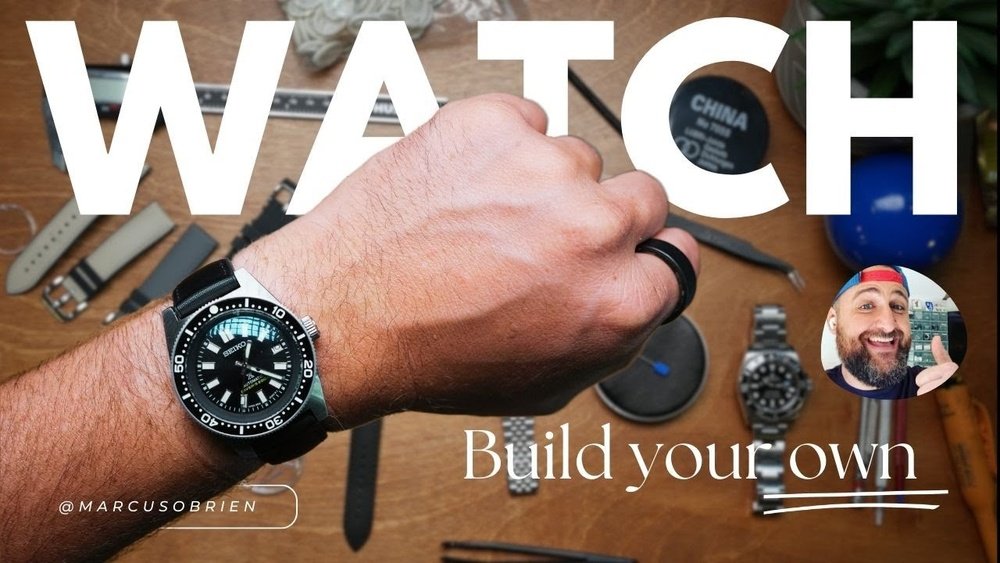
Have you ever dreamed of owning a Seiko watch that’s truly one of a kind? Imagine the pride you’ll feel when you wear a timepiece you built with your own hands.
Making your own Seiko watch isn’t as complicated as it sounds. With the right steps and a bit of patience, you can create a watch that reflects your style and skill. Keep reading, and you’ll discover how to bring this exciting project to life—turning your vision into a stunning reality.
Materials And Tools Needed
To make a Seiko watch, start with the essential components. You will need a watch case, movement (the engine of the watch), dial, hands, and a strap or bracelet. Each part must fit well to work properly.
For tools, have a screwdriver set, tweezers, a case opener, and a hand press. These help you handle tiny parts safely and put everything together.
Parts can be bought online from watch part shops or websites that sell Seiko pieces. Some stores offer original Seiko parts, ensuring good quality. Used parts can work too but check their condition carefully.
Choosing The Right Seiko Movement
Seiko offers many movement types for watches. Some popular ones include automatic, quartz, and kinetic. Automatic movements use the motion of your wrist to work. Quartz movements use a battery and are very accurate. Kinetic movements combine both, charging a battery with wrist motion.
| Movement Type | Case Compatibility | Pros | Cons |
|---|---|---|---|
| Automatic | Thicker cases needed | No battery, smooth sweep hand | Needs regular wearing or winding |
| Quartz | Fits thinner cases | Very accurate, low maintenance | Battery must be replaced |
| Kinetic | Medium thickness cases | Battery charges by wrist motion | More complex and costly |
Choosing the right movement affects your watch’s look and feel. Cases must match the movement size. Each movement has trade-offs in care and cost. Think about how you want to use your watch.
Selecting The Watch Case And Dial
Watch cases come in many materials like stainless steel, titanium, and plastic. Steel is strong and common. Titanium is light and durable. Plastic is light but less strong. Styles vary too—round, square, or cushion shapes are popular. Choose a style that fits your taste and wrist size.
Dials offer many designs. Simple dials show only time. Others have extra features like date or chronograph. Colors range from black and white to blue or green. Some dials have patterns or textures for a unique look. You can even customize markers and hands to match your style.
Matching the case and dial is important. A shiny steel case looks good with a black or white dial. A matte titanium case pairs well with darker or muted dials. Think about the overall look you want. Match colors and materials for a balanced watch.

Credit: scuolalitubium.it
Assembling The Watch Movement
Handle the movement with care. The parts are very small and delicate. Use plastic tweezers or gloves to avoid dirt and oils. Keep the movement on a soft, clean surface to stop scratches. Do not touch the gears directly with your fingers. This helps keep the movement clean and working well.
Place the dial gently on the movement. Align the dial feet with the movement holes. Use a small screwdriver to secure the dial screws carefully.
Attach the hands starting with the hour hand. Press them firmly but gently on their posts. Make sure the hands do not touch each other or the dial.
Check the movement’s function by winding it slowly. Watch the hands move smoothly. Listen for any unusual sounds or stops. This confirms the movement is working correctly before placing the watch case.
Fitting The Movement Into The Case
Start by cleaning the watch case carefully. Remove any dust or dirt inside. Check the case for any damage or scratches. This helps the movement fit well and work properly.
Hold the movement gently. Place it into the case with care. Make sure it fits snugly and the dial aligns with the case window. Avoid touching the dial or hands to keep them clean.
| Step | Tip |
|---|---|
| Preparing the Case | Clean and inspect for damage or dust |
| Securing the Movement | Place movement carefully and align the dial |
| Sealing and Protecting | Use the gasket to seal the case back tightly |
Use a small gasket to seal the back of the case. This keeps dust and water out. Press the case back firmly until it clicks or screws in place. This protects the movement inside.
Attaching The Watch Strap Or Bracelet
Straps and bracelets come in many types: leather, metal, rubber, and nylon. Leather straps offer a classic look. Metal bracelets are strong and long-lasting. Rubber is great for sports watches. Nylon straps are lightweight and casual.
Proper measuring and sizing is key. Use a ruler or tape to measure wrist size in millimeters. Choose a strap length that fits comfortably, not too tight or loose. Some straps can be cut to size, others require resizing links.
Attaching techniques depend on the strap type. Spring bars connect most straps to the watch case. Use a spring bar tool or small flat tool to press bars in place. For metal bracelets, pins hold links together and can be removed to adjust size. Always handle small parts carefully to avoid loss.
Testing And Adjusting Your Watch
Accuracy testing is key for your Seiko watch. Use a reliable time source like an atomic clock or your phone. Check the watch’s time every 12 hours. Note any gain or loss in seconds. This helps you see how well the watch keeps time.
Adjusting timekeeping involves small moves of the regulator inside the watch. Move it slightly to speed up or slow down the watch. Test again after adjustments to check if the time improves. Repeat if needed until the watch stays accurate.
Water resistance checks protect the watch from water damage. Use a water resistance tester or visit a professional. Avoid opening the watch if unsure, as it can break the seal. Regular checks keep your watch safe from moisture and dust.
Credit: www.reddit.com
Maintaining Your Custom Seiko Watch
Clean your Seiko watch regularly to keep it looking new. Use a soft cloth to wipe off dust and dirt. Avoid harsh chemicals that can damage the finish. For metal bands, use a soft brush and mild soapy water. Dry completely before wearing.
Seiko watches need servicing every 3 to 5 years. This keeps the movement working well and prevents damage. Take the watch to a trusted repair shop or an authorized service center. Regular checks help avoid costly repairs later.
Store your watch in a cool, dry place. Keep it away from strong magnets and extreme heat. Use a watch box or soft pouch to protect it from scratches. Proper storage helps maintain its value and appearance.

Credit: www.youtube.com
Frequently Asked Questions
How Do I Start Making My Own Seiko Watch?
Begin by gathering essential tools like screwdrivers and tweezers. Study Seiko watch parts and assembly processes carefully. Follow detailed guides or tutorials to understand each step thoroughly.
What Parts Are Needed To Build A Seiko Watch?
You need a Seiko movement, watch case, dial, hands, crown, and strap. Each part must be compatible and authentic for proper functioning and style.
Can Beginners Successfully Assemble A Seiko Watch?
Yes, beginners can assemble a Seiko watch with patience and the right instructions. Start with simple models and practice careful handling of small parts.
How Long Does It Take To Make A Seiko Watch?
Assembly time varies but typically takes several hours to a few days. Taking your time ensures accuracy and prevents damage to delicate components.
Conclusion
Making your own Seiko watch is a fun and rewarding project. You learn about each part and how it works together. Take your time and follow each step carefully. Use the right tools for the best results. Enjoy the process and be proud of your creation.
This experience will deepen your appreciation for watches. Keep practicing to improve your skills. Soon, you can build even better watches on your own.