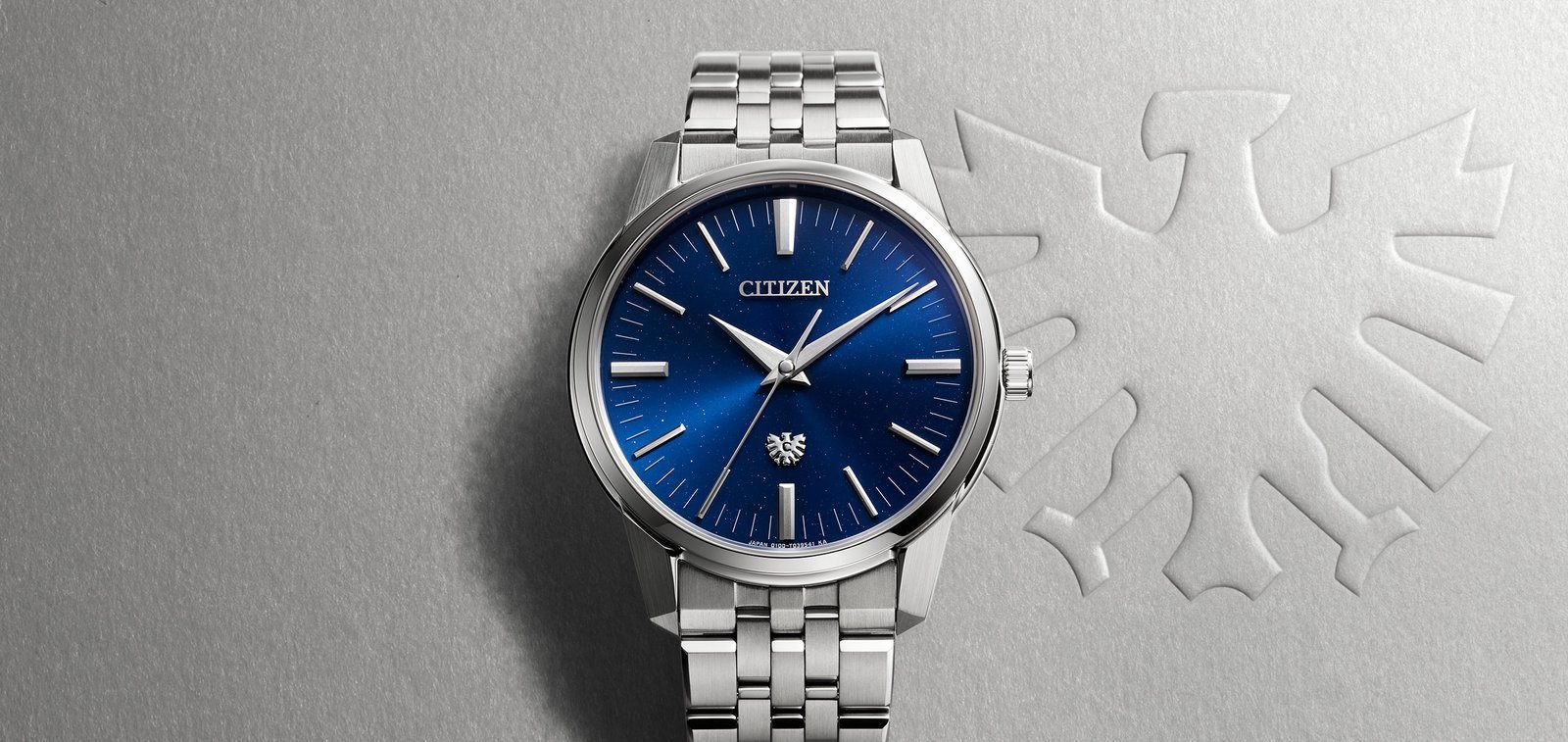
A new citizen eco drive watch typically costs between $150 and $450, though premium models with advanced chronographs or titanium cases can reach $800 or more. You’ll find these timepieces at various price points depending on the materials used, the complexity of the movement, and the specific collection you choose.
Selecting your Citizen Eco Drive watch
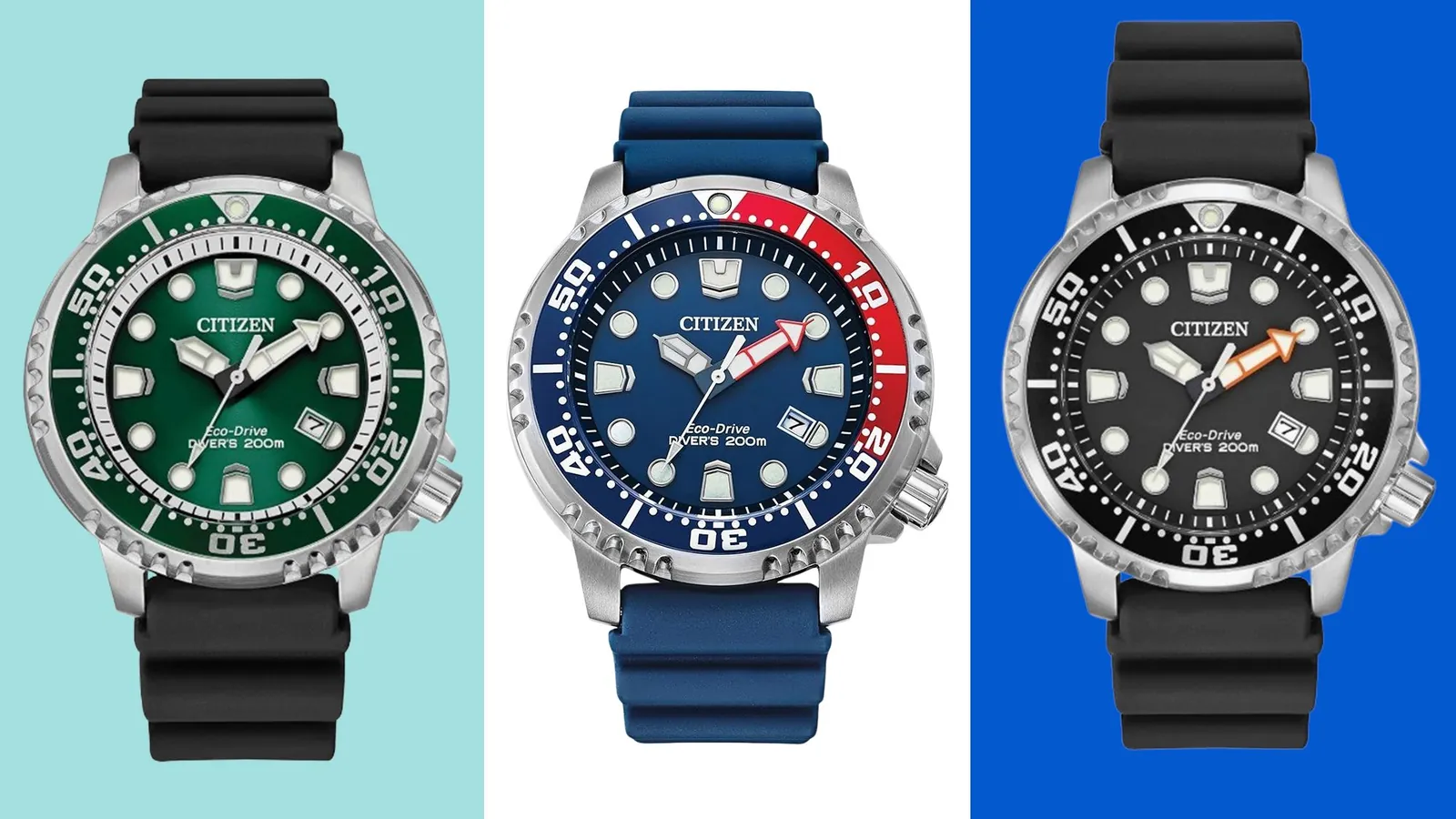
When you’re shopping for a new watch, focus on the features that matter for your daily life. It’s helpful to think about whether you need a simple, dressy model or a rugged, waterproof version for outdoor activities.
- Check the water resistance: Look for a depth rating on the case back if you plan to swim with the watch.
- Select your preferred material: Choose between stainless steel for durability or titanium if you want a lighter feel on your wrist.
- Review the light source requirements: Ensure the dial receives enough natural or artificial light to keep the internal cell fully charged.
- Test the fit: Measure your wrist size to see if you’ll need to remove links from the metal bracelet for a comfortable, snug fit.
- Verify the warranty: Confirm the length of the manufacturer’s coverage to protect your purchase against potential defects.
Tip: If your watch stops, place it under a bright lamp for 12 to 24 hours to fully recharge the internal energy cell before assuming it needs a repair.
Pricing and model variations
The price you pay often reflects the technology packed into the case. While basic models are affordable and reliable, specialized versions include features like radio-controlled timekeeping or sapphire crystal glass.
| Model Type | Typical Price Range | Key Feature |
|---|---|---|
| Basic Analog | $150 – $250 | Simple date display |
| Sport Chronograph | $250 – $450 | Stopwatch functions |
| Premium Titanium | $450 – $800+ | Lightweight, scratch-resistant |
You’ll notice that prices climb as Citizen integrates more complex internal movements. Radio-controlled models, for instance, require additional internal antennas and circuitry to sync with atomic clocks. This ensures your watch remains accurate to the second, justifying the higher investment for frequent travelers.
Material selection also dictates the final cost. Stainless steel is standard, but moving to Super Titanium significantly increases the price. This proprietary alloy is harder than steel yet feels nearly weightless on the wrist. If you prioritize daily comfort and long-term durability, the jump to titanium models provides tangible value that basic stainless steel variants simply can’t match.
Common mistakes and troubleshooting
Many owners worry when their watch behaves unexpectedly, but most issues are simple to resolve. A common error is assuming the watch is broken when it has simply run out of power after being stored in a dark drawer for several months.
What if my watch stops working?
If your watch has stopped, it likely needs more light. The Citizen Watch official support page explains that these watches use light to generate power; if the energy cell is completely drained, it may take a full day of direct exposure to sunlight to restart the movement.
Is it safe to replace the battery myself?
Never attempt to open the case back of an eco drive watch yourself. These watches use a specialized rechargeable cell rather than a standard disposable battery, and opening the case breaks the factory-sealed gasket, which ruins the water-resistant seal and voids your warranty.
Related guides
Frequently Asked Questions
Can I wear my watch while swimming?
Yes, provided the case back indicates at least 100 meters of water resistance. Avoid pressing the buttons while the watch is underwater, as this can force moisture into the internal movement and cause permanent damage.
How long does the internal cell last?
The rechargeable cell is designed to last for many years without needing a replacement. Most owners find their watch continues to function perfectly for over a decade before the power storage capacity begins to naturally diminish.
Does the watch need direct sunlight?
No, the watch charges from both natural sunlight and indoor artificial light. While direct sunlight is the fastest way to charge a completely dead watch, standard office or home lighting is sufficient to maintain the charge during regular daily use.
Conclusion
When you’re ready to buy, visit an authorized retailer to try on different sizes and weights. This allows you to see how the watch sits on your wrist and ensures the bracelet length is correct for your arm. Always keep your original receipt and warranty card in a safe place for future service needs.