
You can often fix a Tissot watch that has stopped or is losing time by changing the battery, winding it manually, or cleaning the crown. You do not need special tools to address these common issues, which often result from infrequent wear or the crown being pulled out.
Troubleshooting your Tissot watch
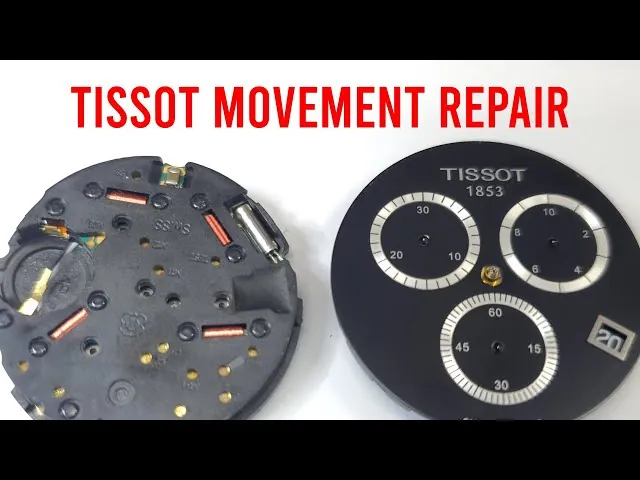
Most issues with a luxury timepiece are minor and relate to power or basic operation. Before you assume the worst, look through these common causes, ranked by how often they happen and how easy they’re to fix at home.
- Low power reserve: If your watch is automatic, it needs movement to stay wound; if it has been sitting still for longer than its specific power reserve, it will stop. Simply wind the crown or wear the watch for a few hours to restore energy.
- Crown position: The crown might be pulled out to the time-setting position, which stops the movement to ensure accuracy while you adjust the hands. Push the crown all the way in against the case to restart the watch.
- Dead battery: Quartz models rely on a battery that lasts for a duration determined by the specific movement and how often you use extra features like the chronograph. Once the battery is exhausted, the watch will stop or skip seconds.
- Debris under the crown: Tiny particles of dust or dried skin can build up around the stem, making it feel stiff or preventing it from seating properly. Gently cleaning the area with a soft, dry cloth can often clear the obstruction.
- Magnetic interference: Exposure to strong magnets, such as those in speakers or tablet cases, can cause a mechanical movement to run fast, slow, or stop entirely. Moving the watch away from these sources often resolves the issue.
| Symptom | Most Likely Cause | What To Do |
|---|---|---|
| Watch stopped completely | Dead battery or low power | Wind it or replace battery |
| Second hand skips four steps | Battery end-of-life | Have battery replaced |
| Watch runs fast or slow | Magnetic interference | Move away from magnets |
| Crown feels stuck | Debris in the stem | Wipe with a dry cloth |
Simple Checks You Can Perform Safely
You can safely troubleshoot your watch by checking external settings that mimic a mechanical failure. First, ensure the crown is fully pushed toward the case; if it’s even slightly pulled out, the watch won’t run. Next, give your watch a gentle shake or rotate the crown clockwise 20 to 30 times if it’s a mechanical model.
If the watch is a quartz type with a chronograph, ensure the start-stop button isn’t jammed in a pressed position. Keep the watch clean by using a soft, lint-free cloth to remove sweat and oils that might affect the pushers.
Warning: Never attempt to open the case back yourself, as you’ll break the water-resistant seal and risk damaging the delicate internal components.
If these simple steps don’t resolve the problem, the issue likely lies within the movement itself. You can find official guidance on general maintenance and care for your timepiece on the Tissot official website.
Deciding Between Professional Repair and Replacement
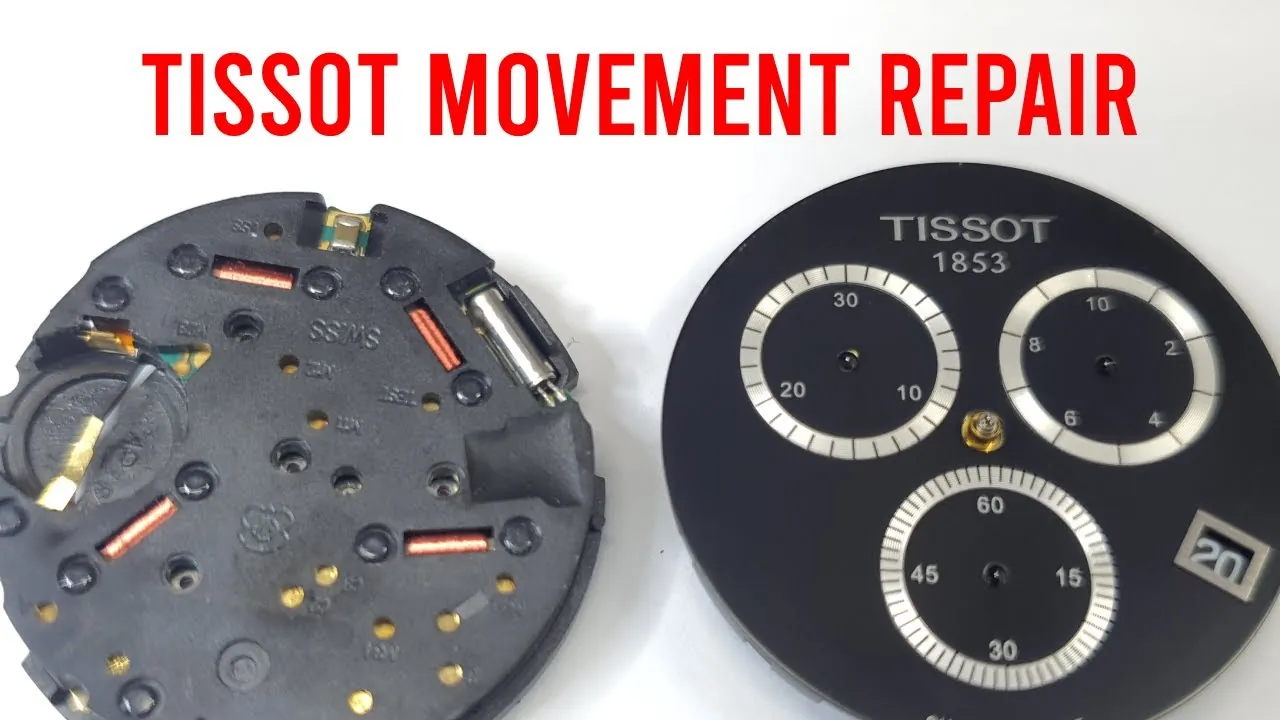
Deciding to seek professional help depends on the age of your watch and the nature of the fault. If the watch is still under warranty or if it’s a high-value piece, always take it to an authorized service center. A professional repair is worth the cost if the watch holds sentimental value or is a premium model, as they have the specific parts required to maintain its value.
You should consider a professional service if the watch has been dropped, exposed to water, or if the hands are loose inside the dial. Avoid trying to force any parts or using household cleaners, as these can permanently damage the finish.
Related guides
- When Not To Adjust Seiko Watch: Avoid These Common Mistakes
- Are Seiko Or Tissot Watches Better: Ultimate Comparison Guide
Frequently Asked Questions
How do I know if my watch is magnetized?
If your watch starts gaining or losing significant time suddenly, it has likely been near a strong magnet. You can often confirm this by using a compass near the watch; if the needle reacts strongly, the watch needs to be demagnetized by a professional.
Is it safe to wear my watch in the shower?
Even if your watch is water-resistant, the heat and steam from a shower can damage the seals over time. It’s best to remove it before showering to ensure the internal gaskets stay in good condition for as long as possible.
Conclusion
Take your watch to a local authorized jeweler or a certified service center if it still fails to run after you have ensured the crown is pushed in and the power reserve is full. They can test the battery voltage and check the movement for any internal damage that requires expert attention.