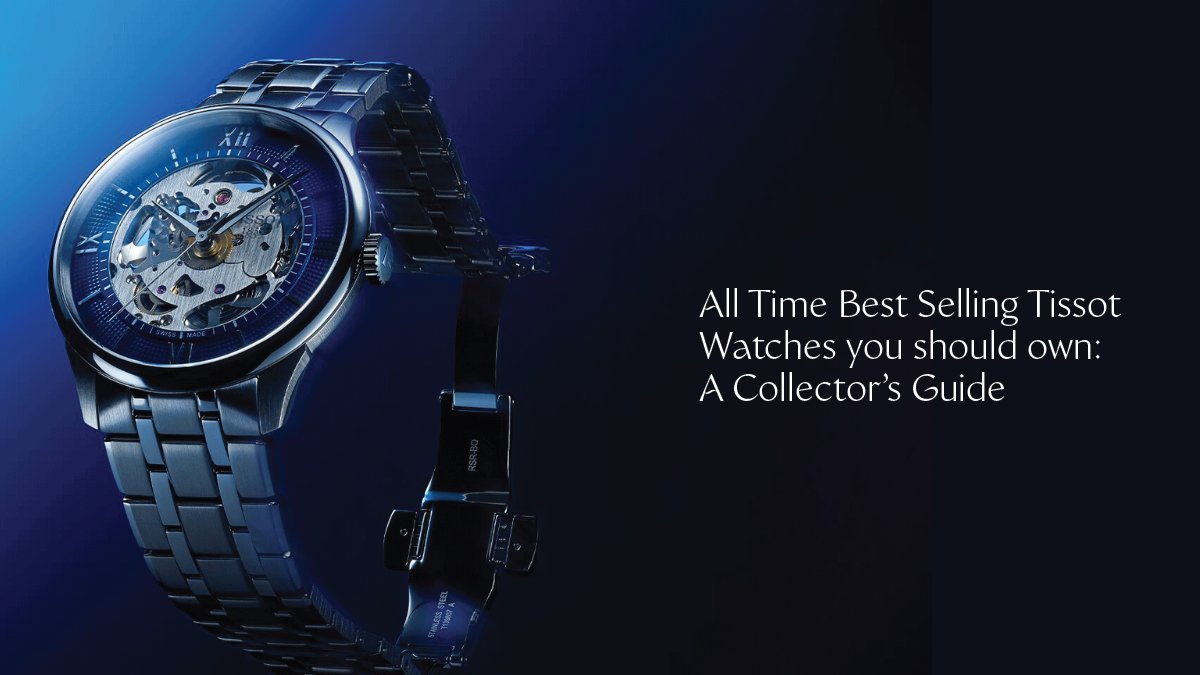
The Tissot PRX collection is currently the most popular and best selling range for the brand, largely due to its versatile integrated bracelet design. These watches consistently outsell other models because they bridge the gap between vintage style and modern durability, appearing in both quartz and automatic movements to suit different budgets.
The best selling Tissot watch model
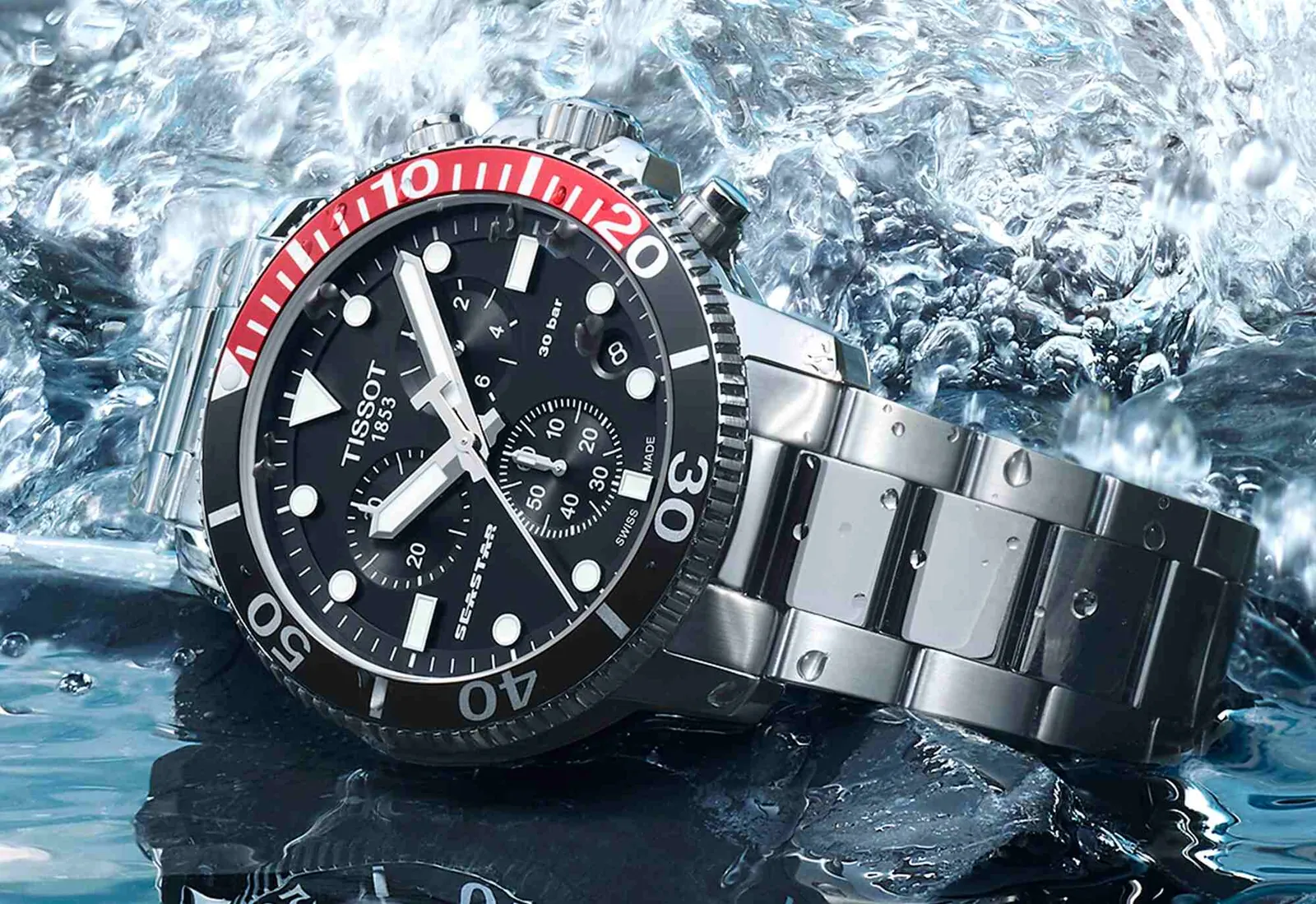
The success of this specific line comes down to its distinct aesthetic that mimics luxury sports watches from the 1970s. Because it features a flat, brushed stainless steel case that flows directly into the bracelet, it feels more expensive than its price tag suggests.
Collectors often choose this model for its reliability and the fact that it fits well under a dress shirt cuff while remaining rugged enough for daily wear. This dual utility is rare, allowing the piece to transition seamlessly from a boardroom setting to a casual weekend outing without looking out of place.
While other collections like the Le Locle or Gentleman remain staples, they don’t capture the current trend toward integrated bracelet designs. You’ll find that this model’s popularity is driven by its accessibility, as it provides a high-quality finish that’s difficult for competitors to match at a similar price point. The watch captures the spirit of heritage horology while remaining firmly rooted in the modern preference for sleek, versatile, and architectural design language.
Comparing Tissot best sellers
The following table highlights how the top-selling variants you’ll encounter at retailers differ from one another.
| Model | Movement Type | Case Size | Primary Appeal |
|---|---|---|---|
| PRX Quartz | Quartz | 40mm | Value and thin profile |
| PRX Powermatic 80 | Automatic | 40mm | Mechanical heritage |
| Le Locle | Automatic | 39mm | Traditional dress style |
| Gentleman | Automatic | 40mm | Versatile daily wear |
The PRX models prioritize a sharp, integrated aesthetic that leans into modern sports-watch trends. Because the bracelet flows directly into the case, they offer a distinct, architectural look that feels more contemporary than the Gentleman.
Conversely, the Le Locle and Gentleman rely on traditional lug designs. These models accommodate leather straps more naturally, making them superior choices if you prefer to swap bands for formal events. While the PRX is a statement piece, the Gentleman serves as a reliable, understated foundation for a growing collection.
How to choose the right model
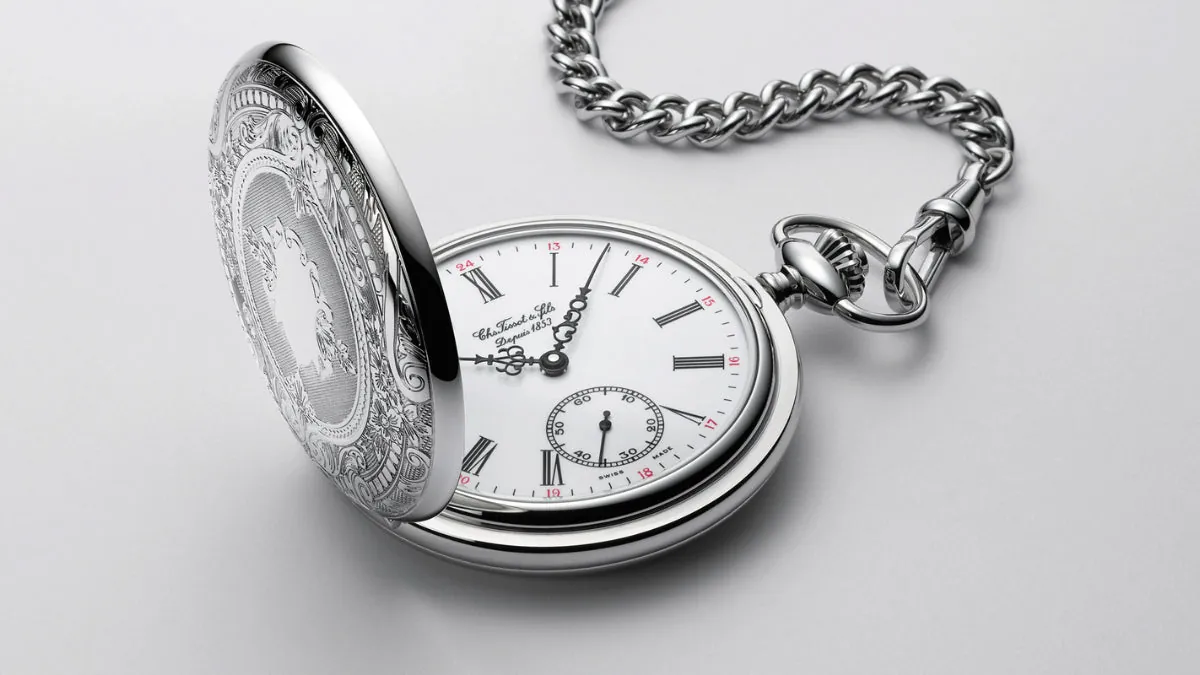
If you’re deciding which watch to buy, focus on your movement preference first. Quartz models are thinner and require less maintenance, making them ideal if you want a reliable watch that’s ready to wear at a moment’s notice. Automatic models offer a sweeping second hand and a longer power reserve, which is the main reason many enthusiasts prefer them.
Tip: Always verify the case size against your wrist measurement, as the integrated bracelet on the PRX makes the watch wear slightly larger than its diameter suggests.
You should also consider the dial color. While blue and silver dials are the most popular choices for resale value, black or green dials often provide a more unique look for a daily watch. Avoid choosing based solely on popularity if you find a different style that fits your personal wardrobe better, as Tissot maintains consistent quality across all these lines.
Related guides
- Are Seiko Or Tissot Watches Better: Ultimate Comparison Guide
- How Much To Service A Tissot Watch: Costs And Maintenance Tips
Frequently Asked Questions
Are Tissot watches considered luxury?
They’re classified as entry-level luxury watches.
Do these watches hold their value?
Most mass-produced models don’t appreciate in value over time. You should treat your purchase as a wearable accessory rather than an investment piece, as the resale market fluctuates based on current trends and model availability.
How often should I service my watch?
Automatic movements typically need professional servicing every 5 to 7 years to keep the lubricants fresh and the gears running accurately. Quartz watches generally only require battery replacements every 2 to 3 years and don’t need full internal servicing as often.
Conclusion
Choosing between these models often comes down to your personal preference for a quartz or mechanical movement. If you’re still unsure, visit a local authorized retailer to try on both the 40mm and 35mm sizes to see which fits your wrist best before finalizing your decision.