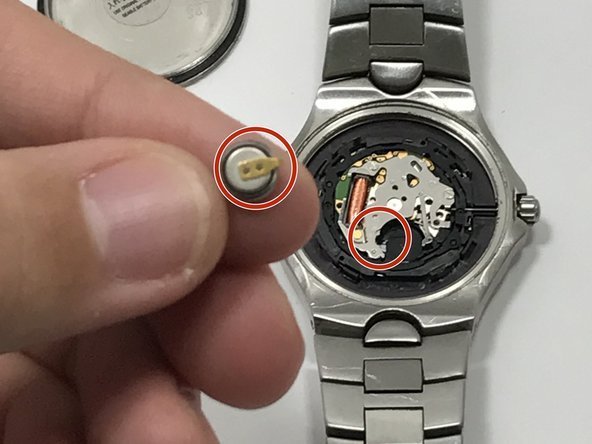
Most watches from this brand use either a silver oxide button cell or a rechargeable lithium-ion cell for the proprietary eco-drive system. The exact type depends on your model number, which you can find engraved on the case back, usually appearing as a four-digit caliber number followed by a six-digit serial number.
Identifying Your Watch Battery Type
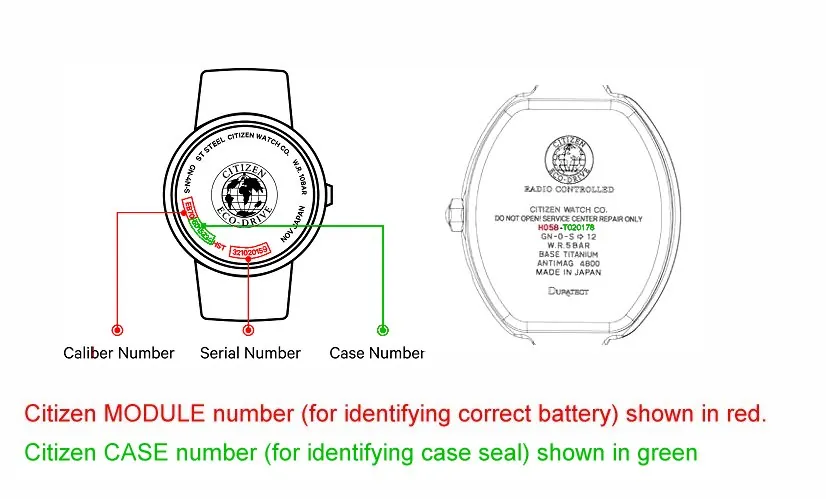
You don’t need to guess the power source because the manufacturer assigns a specific caliber number to every watch they produce. This number dictates exactly which energy cell your device requires to function correctly. If you open the back without knowing this, you risk damaging the sensitive internal components.
To find your specific battery, follow these steps:
- Locate the case back: Turn your watch over and look for the small, etched numbers on the metal plate.
- Identify the caliber: Look for the first set of four characters, which often include both letters and numbers, such as E111 or B612.
- Check the database: Visit the Citizen support technical resources page to search for your specific caliber number.
- Match the cell: The official documentation will list the exact battery part number or the standard industry code for that caliber.
- Confirm the type: Note whether your watch requires a standard silver oxide cell or a rechargeable solar-compatible unit.
Warning: Never attempt to replace a rechargeable solar cell with a standard silver oxide battery. Doing so will stop the watch from charging via light and may cause the internal circuitry to fail permanently.
Comparison of Common Power Sources
Knowing the difference between these two types helps you avoid costly mistakes. Most modern watches from this company use light-powered technology, while older or non-solar models rely on traditional chemical cells.
| Battery Type | Primary Use | Lifespan Expectation |
|---|---|---|
| Silver Oxide | Standard quartz models | 2 to 5 years |
| Lithium-ion | Eco-Drive solar watches | 10 to 20 years |
| Alkaline | Not compatible | Zero |
If your watch stops working, don’t assume the battery is dead immediately. If it’s a light-powered model, it might simply need to sit in direct sunlight for several hours to regain its charge. Many people mistakenly pay for a replacement when a simple recharge would have solved the problem.
When to Seek Professional Help
Replacing a battery is a delicate task that requires specific tools to avoid scratching the casing or damaging the water-resistant seals. If your watch is under warranty, opening the case yourself will usually void that protection.
You should let a professional handle the task if you notice these signs:
Water resistance concerns are paramount. If you wear your watch while swimming, a professional must pressure-test the seals after every battery change. Without specialized equipment, you can’t verify if the watch remains airtight, potentially leading to catastrophic internal moisture damage.
Stuck case backs require caution. If the metal cover doesn’t turn with light pressure, don’t force it. You could easily snap the threads or crack the glass. Professionals use friction balls or bench presses that distribute force evenly across the entire surface.
Leaking or corrosion is a red flag. If you see white or green powder around the old cell, the movement requires professional cleaning. This residue is acidic and will continue to eat through delicate gears if not neutralized by a technician. Attempting to wipe it away often spreads the contamination deeper into the movement.
Related guides
- Can You Replace Battery in Casio Watch: Easy DIY Guide
- Do All Timex Watches Use The Same Battery? Find Out Now!
Frequently Asked Questions
Can I use any battery that fits the slot?
No, you must use the exact model specified by the caliber number. Using a battery with the wrong voltage or physical dimensions can cause the watch to run inaccurately or damage the internal movement beyond repair.
How do I know if my watch is solar?
Check the dial for the words “Eco-Drive” or “Solar.” If you see these terms, your watch uses a rechargeable lithium-ion cell, which is fundamentally different from a disposable silver oxide battery.
Does a dead battery mean the watch is broken?
Not necessarily, as many issues are caused by low charge levels or dirty contacts. If your watch has sat in a dark drawer for a long time, try placing it under a bright light source for at least 48 hours before assuming the power cell has failed.
Conclusion
Before you purchase a replacement, look closely at the caliber number on your case back and compare it against the official manufacturer database. Once you have the correct part number, you can order the specific cell from a reputable watch parts supplier or take the watch to an authorized service center to ensure the seals are replaced correctly.