If you’re curious about Seiko watches and want to know who stands behind this iconic brand, you’re in the right place. Understanding which company owns Seiko can give you a clearer picture of the quality, heritage, and trust you can expect when you choose one of their timepieces.
Whether you’re thinking of buying your first Seiko or just want to know more about the brand’s background, this article will answer your questions in a simple and straightforward way. Keep reading to discover the story behind Seiko’s ownership and why it matters to you.
Seiko’s Brand History
Seiko started as a small watch shop in Tokyo in 1881. Kintaro Hattori opened the shop and later created the company called Seikosha. The name means “House of Exquisite Workmanship.” Seiko made its first pocket watch in 1895 and its first wristwatch in 1913.
The company grew fast. By the 1960s, Seiko became famous for making reliable and affordable watches. It created the first quartz watch in 1969, which was very accurate.
Seiko expanded worldwide and sold watches in many countries. It owns several brands, including Grand Seiko, known for luxury watches. Today, Seiko is a big name in the watch world, trusted by many people.

Credit: www.seikowatches.com
Corporate Structure Behind Seiko
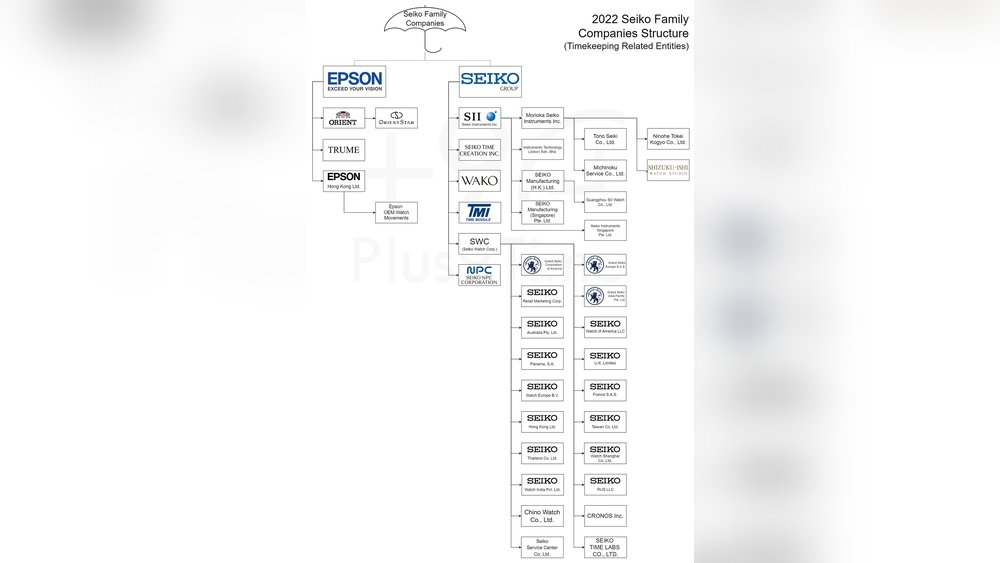
Seiko Holdings Corporation is the main company behind Seiko watches. It controls the entire Seiko group. The company manages watch making, electronics, and other businesses. It has many smaller companies under it. These are called subsidiaries.
| Subsidiary/Division | Role |
|---|---|
| Seiko Watch Corporation | Designs and makes Seiko watches |
| Seiko Instruments Inc. | Produces watch parts and electronic devices |
| Seiko Epson Corporation | Focuses on printers and other electronics |
These divisions work together to keep Seiko strong worldwide. The structure helps Seiko stay a top watch brand.
Ownership And Leadership
Seiko watches are owned by Seiko Holdings Corporation, a Japanese company. The company is one of the largest watchmakers in the world. It has many shareholders, but the biggest ones are often large investment firms and institutional investors. These shareholders help guide the company’s direction by voting on important matters.
The executive management team runs the daily business. This team includes the CEO, President, and other top leaders. They work together to keep Seiko strong in the watch market. They focus on quality, innovation, and customer satisfaction.
Seiko’s Market Position
Seiko is owned by Seiko Holdings Corporation, a large Japanese company. It has been making watches for over 100 years. Seiko is well-known for its quality and innovation in watchmaking.
Seiko’s competitive edge lies in making both affordable and luxury watches. The company uses its own technology to create precise and reliable timepieces. This helps it stand out from other brands.
Seiko has a strong brand reputation worldwide. People trust Seiko for its durability and style. The brand is popular in many countries, making it a top choice for watch buyers.
Innovations And Technology
Seiko was the first to create a watch with a quartz movement in 1969. This helped watches keep very accurate time. Quartz watches use a tiny crystal to control time. This made watches cheaper and more reliable than old mechanical ones.
Recent advances include solar-powered watches that charge from light. There are also watches with GPS to show exact time anywhere. Some models can connect to your phone for alerts and data. Seiko keeps improving technology to make watches easier to use and more precise.
Credit: seikousa.com
Seiko’s Brand Portfolio
Seiko Watch Corporation owns the brand Seiko. It offers a wide range of watches for different needs and budgets. The company includes both luxury lines and affordable collections.
Seiko’s luxury watches include brands like Grand Seiko and Credor. These watches are made with high-quality materials and expert craftsmanship. They are known for their precision and elegant designs.
The affordable collections feature the main Seiko brand and Seiko 5 Sports. These watches are popular for daily wear. They offer good quality at a lower price. Many people choose them for their reliability and style.
Future Prospects
Seiko plans to grow by opening more stores worldwide. They want to reach new customers in different countries. This will help them sell more watches and build a stronger brand.
Seiko also works hard to protect the environment. They use eco-friendly materials in many of their watches. The company tries to reduce waste and save energy in their factories.
Seiko’s goal is to make watches that last long and use less power. They want to help the planet while still making great products. This shows Seiko cares about the future and the world we live in.

Credit: oracleoftime.com
Frequently Asked Questions
Who Owns Seiko Watches Today?
Seiko watches are owned by Seiko Holdings Corporation. This Japanese company manages the brand and its operations globally. Seiko is known for innovation and quality in watchmaking.
Is Seiko A Subsidiary Of Another Company?
No, Seiko is an independent company. It operates under Seiko Holdings Corporation, which also manages other watch brands. Seiko is not a subsidiary of any larger corporation.
Where Is The Seiko Company Based?
Seiko Holdings Corporation is based in Tokyo, Japan. The company has a rich heritage in Japanese watchmaking. It operates worldwide with manufacturing and sales divisions.
Does Seiko Own Other Watch Brands?
Yes, Seiko owns several brands like Grand Seiko and Pulsar. These brands target different market segments. Each brand maintains its unique style and quality standards.
Conclusion
Seiko watches belong to Seiko Holdings Corporation. This company started in Japan and grew worldwide. It builds a strong reputation for quality and style. Seiko creates many types of watches for all tastes. Now, you know who owns Seiko watches.
This helps you understand their brand better. Owning a Seiko means choosing trusted craftsmanship. Their watches blend tradition with modern technology. Seiko remains a key player in the watch market.